Stepping up your metalworking game often means transitioning from hand-held, manual cutting to precision automation. Whether you are running a growing fabrication shop, prototyping custom auto parts, or simply expanding your home garage setup, investing in a dedicated plasma cutting table is a transformative decision.
However, fully assembled, commercial-grade tables can carry an eye-watering price tag. For many fabricators, the perfect balance between high-end performance and budget-friendly pricing lies in assembling a DIY plasma table. By selecting the right components, you can build a machine that rivals expensive turnkey systems.
Let's dive into exactly what you should look for when choosing the CNC plasma table kit to maximize your workshop's potential.
Why Build Instead of Buy?
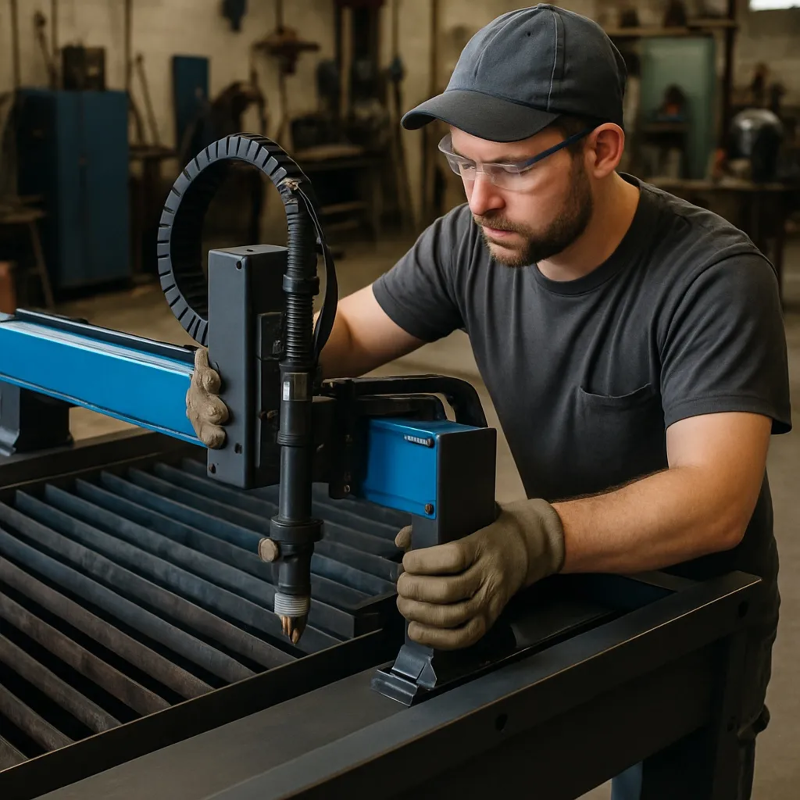
If you are tired of grinding out imperfections from shaky manual cuts, transitioning to a CNC plasma cutting machine will radically elevate your sheet metal fabrication workflow efficiency. Automated cutting allows you to produce identical parts in minutes, reducing waste and labor time.
Choosing a CNC plasma cutter table kit over a pre-built unit offers several distinct advantages:
- Deep System Knowledge: When you build the machine, you know exactly how to troubleshoot it, source replacement parts, and perform maintenance.
- Customization: You aren't locked into proprietary software or overpriced branded consumables.
- Scalability: You can start with basic components and upgrade your motors, torch, or gantry later.
When evaluating the cost of DIY CNC assembly, you are essentially trading your sweat equity for thousands of dollars in savings-savings that can be reinvested into a higher-quality torch, better air compressors, or premium metal stock.
Selecting the Right Size for Your Shop
One of the first decisions you'll make is the footprint of your machine. While 2x2 or 4x4 tables are great for small spaces, the sweet spot for serious fabricators is usually a CNC plasma table kit 4x8.
Why 4x8? Because it perfectly accommodates standard full-sized sheets of steel or aluminum. Being able to load a full sheet without having to pre-cut it manually saves an immense amount of time and physical labor. If you have the floor space, a 4x8 framework gives you the flexibility to tackle large architectural panels, custom signs, and bulky automotive chassis parts without restriction.

Key Mechanical and Electronic Components
A plasma table kit is only as good as the sum of its parts. To achieve clean, repeatable cuts, pay close attention to the mechanics and electronics included in the package.
The Gantry and Drive System
The gantry is the bridge that carries your torch across the cutting bed. Rigidity here is paramount. Look for kits that offer high gantry drive system precision, typically achieved through robust linear rails and rack-and-pinion gearing rather than cheap belts that can stretch over time.
When analyzing the drive motors, you will inevitably compare stepper versus servo motor accuracy.
- Stepper Motors: These are standard in most hobbyist and entry-level commercial kits. They are cost-effective, reliable, and highly accurate for general fabrication. However, they operate on an "open-loop" system, meaning if the torch hits an obstruction, the motor might lose its position.
- Servo Motors: These provide "closed-loop" feedback. The motor constantly communicates its exact position to the controller. If bumped, it corrects itself. Servos are faster, smoother, and more precise, but they add significant cost to your CNC plasma cutting table kit.
Torch Control and Electronics
Metal is rarely perfectly flat, especially once extreme heat is applied. This is why automatic torch height control systems (THC) are absolutely critical. A THC constantly monitors the plasma arc voltage settings during a cut. Because voltage changes as the distance between the torch tip and the metal changes, the THC uses this data to adjust the Z-axis in milliseconds, ensuring the torch stays at the optimal height.
Without THC, your torch is highly likely to crash into warped material, ruining the consumable tip and destroying your workpiece. Ensure your chosen kit includes robust motion control electronics for metalworking that seamlessly integrate with a high-quality THC unit.
The Cutting Bed Design
The physical bed of your machine takes a lot of abuse from molten metal and heavy steel sheets. A well-designed kit should feature replaceable steel support slats. These slats are designed to be cut into and eventually destroyed over months of use. When they become too chewed up, you should be able to slide them out and drop new, inexpensive steel flat-bar in their place.

Managing Heat, Fumes, and Environment
Plasma cutting is a violent process. It generates intense heat, blinding UV light, and highly toxic metallic dust. Managing your workshop environment is crucial for both cut quality and your respiratory health.
Managing Fumes: Water vs. Air
You will need to decide on the structural design of your table's base, which usually comes down to the classic debate of water table vs downdraft ventilation.
- Water Tables: By submerging the metal slightly or keeping the water level just below the cut, you trap about 90% of the smoke and plasma dust. Water also cools the metal rapidly, which is one of the best methods for how to minimize metal warping on thin sheets. The downside is that water tables can be messy, require anti-rust chemicals, and make retrieving dropped parts a wet chore.
- Downdraft Systems: These tables use massive exhaust fans beneath the cutting bed to pull smoke and sparks downward and outside the shop. They keep your shop dry and clean, but require you to invest in heavy-duty ducting and industrial fume extraction solutions to comply with environmental and health safety standards.
Compressed Air Quality
Your plasma cutter kit relies entirely on compressed air to create the plasma arc. If your air contains moisture or oil, your consumable tips will blow out in minutes, and your cut edges will be jagged and slanted. Do not underestimate compressed air filtration requirements. You must install a multi-stage filtration system-including a refrigerated air dryer and a desiccant filter-between your compressor and your plasma machine.
Electrical Grounding
Plasma cutters generate massive amounts of high-frequency electrical noise, which can cause severe Electromagnetic Interference (EMI). EMI can freeze your computer, make motors stutter, or cause your THC to fail mid-cut. Creating a strictly grounded electrical workspace setup is mandatory. This means driving a dedicated copper ground rod into the earth specifically for your table, routing your ground cables away from your data cables, and ensuring the work clamp is attached directly to the metal being cut, not just the table frame.

Software: The Brains of the Operation
Hardware is useless without good software. Your workflow generally requires three pieces of software: CAD (Computer-Aided Design) to draw the part, CAM (Computer-Aided Manufacturing) to generate the toolpaths, and the machine control software to execute the cuts.
If you are just starting out, look into CNC nesting software for hobbyists and small businesses. Nesting software takes your drawn parts and automatically arranges them on your digital sheet metal to fit as tightly as possible. This reduces scrap metal and maximizes your material investment. Many modern controllers now bundle CAD/CAM and nesting into one intuitive, user-friendly package, making the transition from a digital design to a physical part seamless.
Best Practices for Clean Cuts and Fabrication
Even with the best hardware and software, mastering the plasma cutting process takes a bit of practice. The goal is to achieve a cut so clean that it requires little to no post-processing.
- Dialing in the Settings: Cut speed, amperage, and air pressure must be balanced perfectly. If you move too slowly, you will create excessive "low-speed dross" (thick, bubbly slag that is hard to remove). If you move too fast, you get "high-speed dross" (thin, hard slag that welds itself to the edge) or the arc may fail to penetrate entirely.
- Managing Warpage: Aside from using a water table, another way to minimize heat distortion is by using smart tool-pathing. Program your software to cut inner holes first, and to jump around the sheet rather than cutting all parts in one localized, heat-soaked corner.
- Post-Processing: No matter how dialed in your machine is, some post-cut cleanup is inevitable. Invest in a good set of flap discs, a wire wheel, or an abrasive drum sander for efficient dross removal and edge cleanup. Clean, dross-free edges are essential if you plan to weld or powder-coat the parts later.
Choosing the right CNC plasma table kit is an exciting step toward true fabrication independence. By carefully considering your gantry precision, torch height control, ventilation setup, and software ecosystem, you can assemble a powerful machine that fits your budget and drastically multiplies your production capabilities.
Whether you opt for a sprawling 4x8 framework or a compact garage setup, prioritizing high-quality components and proper environmental controls will ensure your DIY CNC investment pays off in flawless, repeatable cuts for years to come.
Read More: Understanding The Benefits Of Plasma Tables
Read More: Advantages Of Using A 5x10 Plasma Table
Please fill the form Below ''Send Inquiry'' for more suggestions.
Or click Top Menu "Contact Us" for more professional advice.