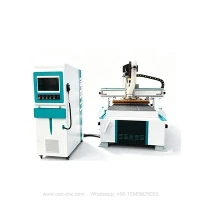
Imagine transforming raw steel into a custom driveway gate before lunch. While beginners often start with a four-by-eight plasma cutting table, stepping up to a 5x10 plasma table turns a crowded workshop into a precision factory. In practice, that extra two feet of length is a fabricator's secret weapon. It easily accommodates standard material sheets while requiring a manageable footprint-the actual floor space the equipment occupies in your shop.
Outgrowing small tools happens fast when wrestling heavy plates. According to experienced fabricators, the greatest benefit of a ten-foot bed is "over-travel." This simply provides extra runway for the gantry-the moving bridge carrying your torch. Because the bed is longer than standard steel sheets, the gantry parks completely out of the way, letting you load heavy metal safely without crushing delicate machine parts.
Investing in this larger cnc plasma table offers an incredible cost-to-utility ratio. Paying slightly more upfront unlocks the power to cut massive projects or batch dozens of brackets at once, saving countless hours of frustrating setup time.
The 'Parking Space' Advantage: Why 10 Feet Trumps 8 Feet
Standard metal sheets usually measure four feet by eight feet, making a 5x10 plasma cutting table seem slightly oversized. However, that extra two feet provides a critical "parking zone" for the machine's heavy duty gantry. Sliding the gantry safely to the end of the table means you can easily drop heavy steel plates from a forklift without accidentally smashing your torch head.
Beyond safe loading, this extra table area is absolutely essential for achieving superior cutting precision. The machine needs a spatial buffer around the perimeter of the steel to successfully execute "lead-ins" and "lead-outs."
Instead of firing directly onto your final cut line-which creates an ugly scorch divot-the machine ignites over scrap material and smoothly glides into the intended path. A lead-out is the exact opposite, exiting the cut cleanly before shutting off. This runway technique guarantees smooth, professional edges that require almost no grinding.
Having that extra perimeter space ensures your torch never runs out of room to execute those critical starting and stopping paths around a full sheet. Because you aren't forced to compromise cut paths near the edges, you capture more usable parts from every plate, significantly reducing your overall metal waste.

Maximizing Your Sheet: How 5x10 Tables Slash Metal Waste
Purchasing metal by the pound means stepping up to larger plates drops your overall cost per square foot significantly. When you invest in industrial grade metal fabrication machinery, you unlock access to wholesale distributor material. Specifically, cutting five by ten foot steel sheets lets you bypass the premium markup typically slapped on standard 4x8 retail sizes.
Squeezing every dollar out of those massive plates relies on "nesting"-arranging your digital parts tightly together like a jigsaw puzzle. For maximizing sheet utilization, smart fabricators employ a technique called "common line cutting." By programming the torch to slice a single shared boundary line between two adjoining parts rather than cutting two separate outlines, you instantly reduce material waste and machine run-time.
To master this digital puzzle, follow a reliable three-step nesting checklist before you strike an arc:
- Aligning long parts parallel to the table's edge first to anchor the layout.
- Utilizing the 5-foot width for side-cuts to eliminate awkward dead space.
- Saving 'skeletons' for small brackets instead of tossing them in the scrap bin.
Those skeletons-the leftover web of metal remaining on the table after your main parts are removed-hold hidden value for future micro-projects. While squeezing every inch out of a plate is financially rewarding, pulling off these tight shared edges requires flawless communication between the design software and the physical torch.
The 'Brain' and the 'Hand': Making Sense of THC and Software
Turning a great idea into a physical part starts with professional CAD CAM software. Think of CAD as your digital sketchbook where you draw a custom truck bumper or an intricate sign. CAM acts as the translator, converting that drawing into g-code programming. Simply put, this code is a highly precise GPS route telling the machine exactly where to drive and when to fire the torch.
Once those digital instructions reach the table, the physical reality of heavy steel kicks in. A ten-foot plate is rarely perfectly flat; it often bows slightly in the middle. If a rigid torch drove blindly across that warped surface, it would drag and crash. Fortunately, automatic torch height control functionality solves this. It acts like a high-tech shock absorber, instantly sensing the metal's surface and micro-adjusting the torch up or down to float flawlessly over any hills and valleys.
Maintaining that exact hovering distance is the secret to a professional finish. A torch sitting at the perfect height dramatically reduces "dross"-that hard, molten slag clinging to the bottom of poorly cut parts that requires miserable grinding to remove. While smart software and steady height control guarantee beautiful edges, slicing through thick steel inevitably generates clouds of metallic dust that demand a proper shop ventilation strategy.

Water Table vs. Downdraft: Choosing Your Smoke Management
Every impressive steel cut inevitably fills your workspace with metallic smoke. To meet proper shop ventilation and safety requirements, a downdraft setup acts like an upside-down kitchen exhaust. Powerful fans pull fumes down through your metal cutting table and blow them outside. While highly effective, it demands dedicated ductwork and exhausts your expensive climate-controlled air.
Alternatively, placing a shallow basin under the material creates a water table that instantly quenches sparks and traps dust. When evaluating water table vs downdraft system benefits, your local climate is critical-an unheated, freezing garage will turn a water bed into a solid ice block. Here is how the two compare:
- Cost: Water setups are cheaper upfront; downdrafts require pricey ducting.
- Maintenance: Water needs daily skimming; downdrafts need filter replacements.
- Smoke Trapping Efficiency: Both perform exceptionally well when properly sized.
- Noise Level: Water runs silently; exhaust fans add considerable shop noise.
Keeping your water tray fresh only takes a five-minute daily maintenance routine. Simply scoop out floating debris and manage the water table PH balancing with an anti-rust additive to prevent bacterial odors. With your smoke strategy sorted, verifying your physical workspace becomes the next critical step.
Infrastructure Check: Is Your Shop Ready for a 5x10 Giant?
Dropping a massive machine into your workspace requires more than just measuring the frame. When calculating how much shop space for large format plasma tables is necessary, always account for the "swing zone." This three-foot perimeter provides the critical room needed to safely load heavy steel sheets without hitting walls or tripping over cords.
The lifeblood of your torch is steady breath, making compressed air requirements critical. Plasma cutting relies on CFM (Cubic Feet per Minute), measuring continuous air volume instead of just pressure. If your compressor cannot sustain 6 to 8 CFM, the torch will simply sputter.
Furthermore, wet air quickly ruins your consumables-the replaceable copper nozzles at the torch tip-making a quality air dryer absolutely mandatory.
Check off these three foundational pillars before delivery day:
- Electrical: Standard household outlets will not work; a dedicated 240V circuit is required to safely handle the amps.
- Air: Secure a heavy-duty compressor delivering continuous CFM, paired directly with a moisture-removing dryer.
- Space: Tape out the table's exact footprint on your floor, plus the required 3-foot buffer zone.
Setting up an industrial cutting system fundamentally transforms your fabrication capabilities. Proper preparation ensures your shop is ready for seamless production.

Your Roadmap to 5x10 Mastery
You no longer have to look at a standard sheet of steel and wonder how to process it without tedious manual cutting. A 5x10 footprint gives you the ultimate growth machine, offering the extra parking space needed for easy material loading while handling oversized projects. Whether you are actively hunting for a 5x10 plasma table for sale or just planning your future shop, this footprint transforms an ambitious garage into a true production facility.
Turn this knowledge into action by measuring your actual floor space, verifying your electrical capacity, and testing different design software before buying your cnc plasma system. For a final piece of shop-floor logic, pair your new industrial plasma table with a high-definition power supply to drastically reduce post-cut grinding. Once everything is wired and plumbed, start by cutting simple brackets to build your confidence before tackling full-sized custom projects.
Read More: Understanding The Benefits Of Plasma Tables
Read More: Choosing The Best CNC Plasma Table Kit
Please fill the form Below ''Send Inquiry'' for more suggestions.
Or click Top Menu "Contact Us" for more professional advice.