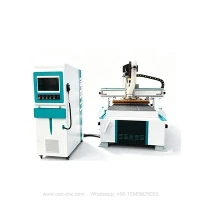
Plasma tables are revolutionizing metal cutting and fabrication. They offer precision, speed, and versatility unmatched by traditional methods.
These tables are essential for manufacturers, metalworkers, and hobbyists alike. They streamline processes, reduce waste, and enhance productivity.
CNC plasma cutter automate tasks, ensuring consistent quality and efficiency. They handle complex designs with ease, making them ideal for intricate projects.
The technology is adaptable, suitable for various metals and production scales. From automotive to art, plasma tables find applications across diverse industries.
Investing in a plasma table can transform your metalworking capabilities, offering long-term cost savings and improved output.
What Is a Plasma Table?
A plasma table is a tool used to cut metal sheets. It works by directing a jet of plasma through the material. This process slices through various metals with high accuracy.
Plasma tables come in different forms, such as manual and CNC. Manual tables require more human input, while CNC models automate the task. This automation increases precision and efficiency.
CNC plasma cutting machines are integrated with software. The software enables the design of complex shapes and patterns. This flexibility makes them ideal for detailed work.
Key features of a plasma table include:
- High-speed metal cutting;
- Ability to cut complex shapes;
- Compatibility with various metals.

A plasma table can cut through metals like steel, aluminum, and copper. This versatility is beneficial for industries requiring diverse metalwork. The technology's ability to handle both small and large jobs makes it a staple in modern fabrication.
How Plasma Cutting Tables Work
Plasma cutting tables function through a fascinating process. They use an electrically conductive gas to transfer energy from a power supply to the material being cut. This creates a superheated, high-velocity stream of plasma.
The plasma jet melts the metal, creating a clean cut. The speed of this process is one of its key advantages. It allows for rapid production while maintaining precision.
A CNC cutting plasma system automates this process. It integrates with computer-aided design software to follow intricate patterns. This provides unmatched accuracy in cutting complex designs.
Main operational steps of plasma cutting include:
- Igniting the plasma torch;
- Creating a high-temperature arc;
- Directing the plasma stream through the metal.
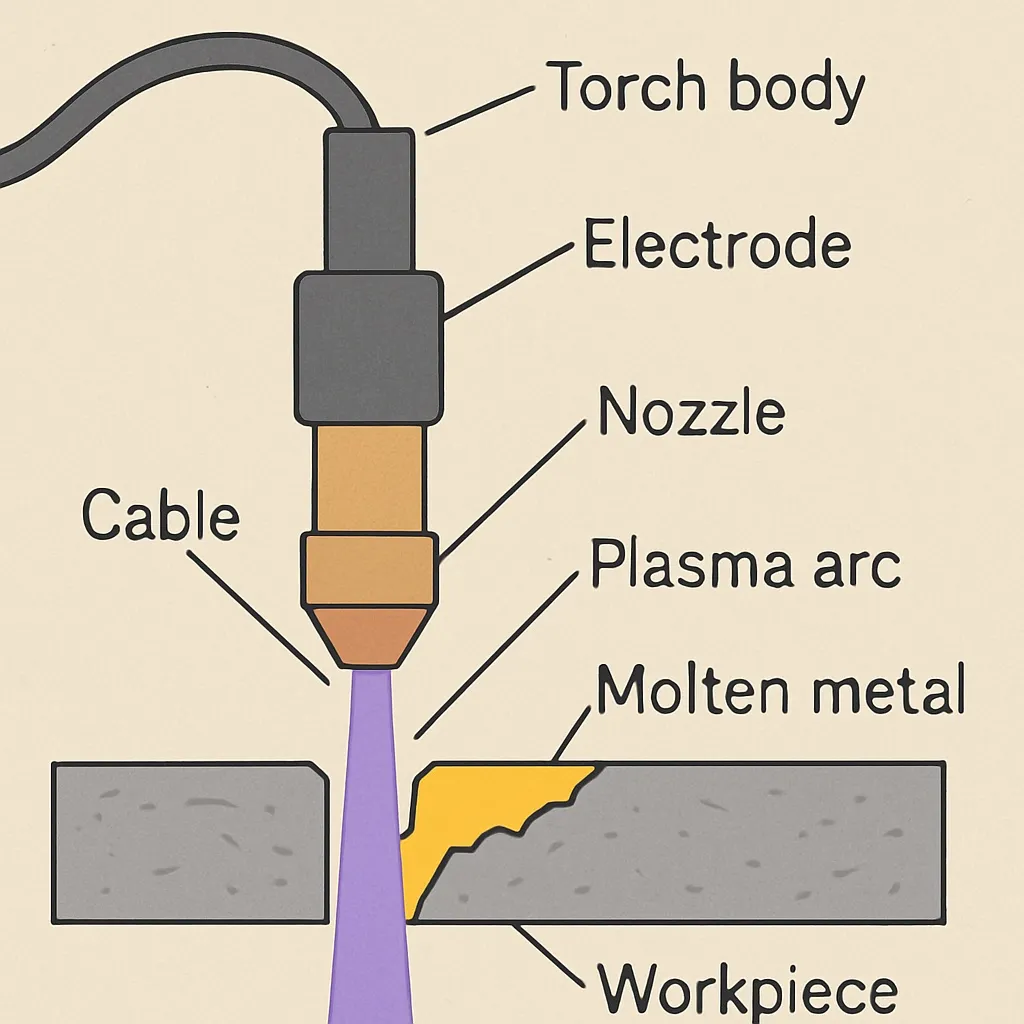
As the plasma jet moves over the metal, it generates minimal waste. The absence of significant heat-affected zones ensures the metal's integrity is maintained. This makes plasma cutting tables a preferred choice for many professionals in metal fabrication.
Types of Plasma Tables: Manual vs. CNC
Plasma tables come in two main types: manual and CNC. Each type serves distinct needs and offers unique benefits.
Manual plasma tables are often used for straightforward projects. These tables require an operator to guide the torch by hand. They offer simplicity but demand a certain skill level.
On the other hand, CNC plasma cutting machines use computer controls. They can cut intricate designs with ease and precision. This automation results in less labor-intensive operation and improves safety.
Key differences between manual and CNC plasma tables include:
- Level of precision;
- Required skill to operate;
- Flexibility in design capabilities.
While manual tables might suit small shops or hobbyists, CNC plasma tables excel in complex and repetitive tasks. They enhance efficiency and are perfect for businesses looking to scale their operations. Selecting the right table depends on your specific needs and the nature of your work.
Key Benefits of CNC Plasma Cutting Machines
CNC plasma cutting machines bring numerous advantages to metal fabrication. Their precision and speed distinguish them significantly from manual methods.
One of the main benefits is their precision. CNC plasma tables allow for intricate designs and cuts that are not possible by hand. This precision reduces material waste, saving costs in the long run.
These machines also boost productivity due to their automation. They can handle large production volumes with minimal human intervention. This efficiency helps meet tight deadlines without sacrificing quality.
Key benefits of CNC plasma cutting machines include:
- Increased productivity and throughput;
- High-quality, precise cuts;
- Reduced material waste;
- Minimized labor costs due to automation.
Versatility is another strong suit of CNC plasma tables. They can cut various metals including steel, aluminum, and copper. This flexibility makes them suitable for different industries, from automotive to construction.
Moreover, CNC plasma tables are known for their reliability. They ensure consistent performance in each production run. Investing in a CNC plasma cutter means investing in a technology that streamlines operations and maximizes return on investment.
Applications of Plasma Tables in Industry and Art
Plasma tables have transformed various industries with their versatile applications. Their ability to cut through diverse metals like steel and aluminum makes them indispensable in manufacturing.
In the industrial sector, plasma cutting tables are vital for metal fabrication. They are commonly used in the automotive and aerospace industries to produce both large components and intricate parts. Their precision and speed are unmatched, making them essential for meeting production demands.
The artistic realm also benefits from plasma tables. Artists utilize these machines to create stunning metal sculptures and custom signs, adding intricate details with ease. Plasma tables offer creative possibilities that were previously hard to achieve manually.
Typical applications of plasma tables include:
- Manufacturing automotive and aerospace parts;
- Creating metal art and sculptures;
- Producing custom metal signs;
- Fabricating construction materials.
From mass production to metal art, plasma tables offer flexibility. These machines deliver high-quality results across various applications, underscoring their value in both industry and art.
Essential Features to Look for in a CNC Plasma Table
When selecting a CNC plasma table, certain features are crucial. These features can significantly enhance cutting performance and operational efficiency.
First, consider the table's size and capacity. A table that fits your workspace while accommodating the material size you need is essential. Ensure that the table's build quality is robust to handle long-term use.
Next, look at the software compatibility. A CNC plasma cutting machine should easily integrate with design software, like CAD, to provide flexibility in design creation. This feature enhances the overall productivity of the unit.
Moreover, evaluate the machine's cutting speed and precision. High-speed cutting with minimal material wastage boosts operational efficiency. Check for features like torch height control for consistent accuracy.
Key features to focus on include:
- Table size and capacity;
- Software compatibility;
- Cutting speed and precision;
- Torch height control;
- Build quality.
Investing in a CNC plasma table with these features ensures high-quality outputs. Such a table also increases your operational capabilities, supporting both simple and complex cutting tasks.
Comparing Plasma Cutting to Other Cutting Methods
Plasma cutting stands out against other cutting methods due to its speed and precision. Unlike traditional methods like oxy-fuel cutting, plasma cutting is faster and more efficient with less material wastage.
Another method, laser cutting, offers precision but can be more costly, especially for thicker materials. Plasma tables handle a broad range of metal thicknesses, offering versatility and affordability.
Waterjet cutting is another competitor. While it doesn't produce heat-affected zones, it is slower and more expensive than plasma cutting for metal applications. Plasma cutting's speed advantage makes it ideal for high-production environments.
Key points of comparison include:
- Speed and efficiency;
- Cost-effectiveness;
- Versatility with different materials;
- Ease of operation;
- Amount of maintenance required.
Ultimately, plasma cutting provides a valuable balance of speed, precision, and cost, making it a preferred choice for many industries. It effectively supports both small-scale and high-volume production needs, giving businesses flexibility and reliability.
Maintenance and Longevity of Plasma Tables
Regular maintenance extends the lifespan of a plasma table. Simple tasks like cleaning the nozzles and checking for wear can prevent costly repairs. These routine checks ensure consistent cutting performance.
A key factor in longevity is the correct replacement of consumables. These components, including nozzles and electrodes, wear over time and should be replaced promptly. Timely changes prevent quality issues and maintain cutting precision.
Consider these maintenance tips:
- Regularly clean the table surface and torch parts.
- Check and replace consumables as needed.
- Inspect electrical connections for wear.
- Calibrate the machine periodically.
- Follow manufacturer guidelines for servicing.
By adhering to a maintenance schedule, you can keep your plasma table running efficiently for years. This proactive approach minimizes downtime and ensures reliable operation, maximizing your investment.
Choosing the Right Plasma Table for Your Needs
Selecting the perfect plasma table involves understanding your specific requirements and workflow. Consider the scale of projects and material types to guide your choice. Size and capabilities must align with your production goals.
CNC plasma tables offer advanced features, but manual tables might suffice for simpler tasks. Assess whether automation can significantly boost efficiency in your operations. Evaluating power requirements and available workspace is crucial.
Key factors to consider include:
- Size of the cutting area;
- Metal types and thicknesses handled;
- Precision and speed requirements;
- Integration with existing systems;
- Budget constraints and potential ROI.
By carefully analyzing these aspects, you can make an informed decision. The right plasma table enhances productivity and meets your unique demands, proving a valuable asset in your metalworking endeavors.
Why Invest in a Plasma Table?
Investing in a plasma table offers substantial benefits for businesses and hobbyists alike. These tools are vital for precision, efficiency, and versatility in cutting metal. The technology seamlessly adapts to both large-scale production and artistic pursuits.
Plasma tables minimize waste and reduce errors, enhancing material utilization and lowering costs. CNC models automate processes, guaranteeing high-quality, repeatable cuts. The broad range of applications-industrial to creative-shows the diverse potential of plasma tables.
Consider the benefits:
- Precision and accuracy in cuts;
- Versatility with different metals;
- Reduced waste and errors;
- Enhanced productivity with automation;
- Wide range of applications.
So, a plasma table is a valuable investment for anyone in metal fabrication. It boosts production, lowers costs, and provides flexibility, making it an essential component of modern metalworking operations.
Read More: Advantages Of Using A 5x10 Plasma Table
Read More: Choosing The Best CNC Plasma Table Kit
Please fill the form Below ''Send Inquiry'' for more suggestions.
Or click Top Menu "Contact Us" for more professional advice.