When it comes to heavy metal fabrication, transitioning from thin-sheet processing to handling thick, heavy steel plates represents a significant upgrade. This shift entails a reduced margin for error, demands vastly superior equipment performance, and makes industrial-grade cutting precision absolutely critical. If your projects involve cutting thick, dense metal, finding a reliable cnc plasma cutter 1 inch steel (approx. 25 mm) plate is undoubtedly a top priority.
Whether you are building heavy structural supports, repairing agricultural equipment, or manufacturing thick custom brackets, choosing the right machinery is essential. In this guide, we will cover everything from power requirements and key equipment features to advanced cutting processes, helping you choose the ideal machine for your workshop.
The Basics of Cutting Heavy Steel Plate
In the past, when manufacturers required the cutting of steel plates one inch (approximately 25.4 mm) or more in thickness, they typically favored traditional oxy-fuel cutting equipment. But for now, , the conversation around plasma vs oxy-acetylene for heavy plate has shifted significantly. While oxy-acetylene cutting remains the dominant method for processing ultra-thick materials (like two-inch steel or more in thickness), a modern steel plasma cutting system offers distinct advantages for one-inch-thick plates.
Plasma cutters offer faster cutting speeds, a significantly narrower heat-affected zone (HAZ), and the ability to cleanly cut non-ferrous metals like aluminum and stainless steel-something oxy-fuel simply cannot do. However, cutting through solid steel up to 25.4 mm thick requires top-tier metal cutting equipment. Low-cost, entry-level machines are not up to the task; you need a high-performance system engineered for robust power and enduring heat resistance.
Power Matters: Understanding Amperage Requirements
The most common question fabricators ask when upgrading their shop is: exactly how many amps to cut 1 inch steel is required reliably?
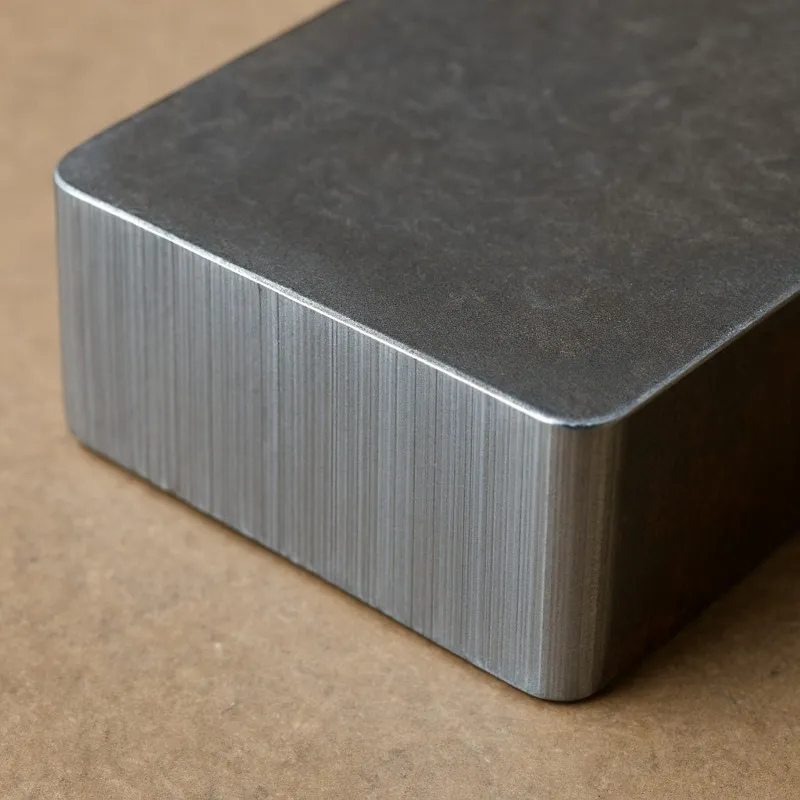
To achieve a clean, production-quality cut on one-inch mild steel, you generally need a machine that outputs between 80 and 100 amps. An 80 amp plasma cutter capacity is considered the sweet spot for regular, clean cuts on this thickness. At 80 amps, the plasma arc is both dense and intensely hot-sufficient to completely blow molten metal out from the bottom of the cut, leaving a relatively smooth edge that requires minimal post-cut grinding.
This brings up another frequent question: can a 60 amp plasma cutter cut 1 inch steel? Technically, yes, but there is a key limitation. A 60-amp machine can usually only handle one inch as a "severance cut." A severance cut means the torch will barely make it through the material. The process will be slow, the edge will be extremely rough, and you will spend a massive amount of time grinding away dross. If your primary goal is clean, efficient cut, you need a plasma cutter for 1 inch steel rated for 80 amps or higher specifically designed for cutting.
Essential Features to Look For in a Heavy-Duty Cutter
When reviewing professional plasma cutters, amperage is only half the story. The best heavy-duty machines are equipped with specific features designed to handle demanding industrial cutting tasks.
Starting Mechanisms and Arc Control
When you pull the trigger, the machine must be capable of generating an electric arc. Understanding the difference between high frequency start vs blowback start is vital. High-frequency (HF) starts are common in older or budget machines, using a high-voltage spark to bridge the gap and ignite the arc. However, HF can cause severe electrical interference, which can damage nearby CNC electronics or computers.
Blowback start (also known as pneumatic start) uses a moving electrode inside the torch head to ignite the arc through physical movement. Blowback starting is safer for environments containing computer equipment, making it the highly recommended choice for modern workshops.
Furthermore, when working with rusty or painted steel, you should you should look for machines featuring continuous pilot arc technology. The surfaces of thick steel plates are often in poor condition, frequently covered with mill scale, deep rust, or industrial coatings. The continuous pilot arc function ensures the plasma jet remains active as the torch traverses non-conductive gaps or heavy rust layers, thereby preventing frustrating arc interruptions and avoiding premature damage to consumables.
Air Supply and Duty Cycles
Cutting thick plates requires a substantial airflow to blow away molten metal. Heavy-duty plasma cutting systems have strict requirements for compressed air. Typically, you need an air compressor capable of delivering an airflow of 6 to 8 CFM (cubic feet per minute) at a pressure of 90 to 120 PSI. Even more importantly, the compressed air must be kept extremely dry. Moisture in the air lines can instantly damage torch consumables, resulting in jagged cuts and inconsistent cut quality.
You also need to evaluate the duty cycle rating for industrial metal cutting operations. The duty cycle refers to the number of minutes, within a 10-minute period, that a machine can operate continuously at a specific current without overheating. For cutting one-inch thick steel, you should select a machine with a duty cycle of at least 60% at maximum current; this ensures you can perform long, uninterrupted cuts without having to stop work frequently to let the machine cool down.

Making the Cut: Techniques for 1-Inch Thick Metal
Even with the best plasma cutter on the market, improper technique prevents you from achieving ideal results. Operating a manual torch on such thick material requires patience and precision.
Here is a brief plasma cutter guide on cutting thick plate to help you master the necessary skills:
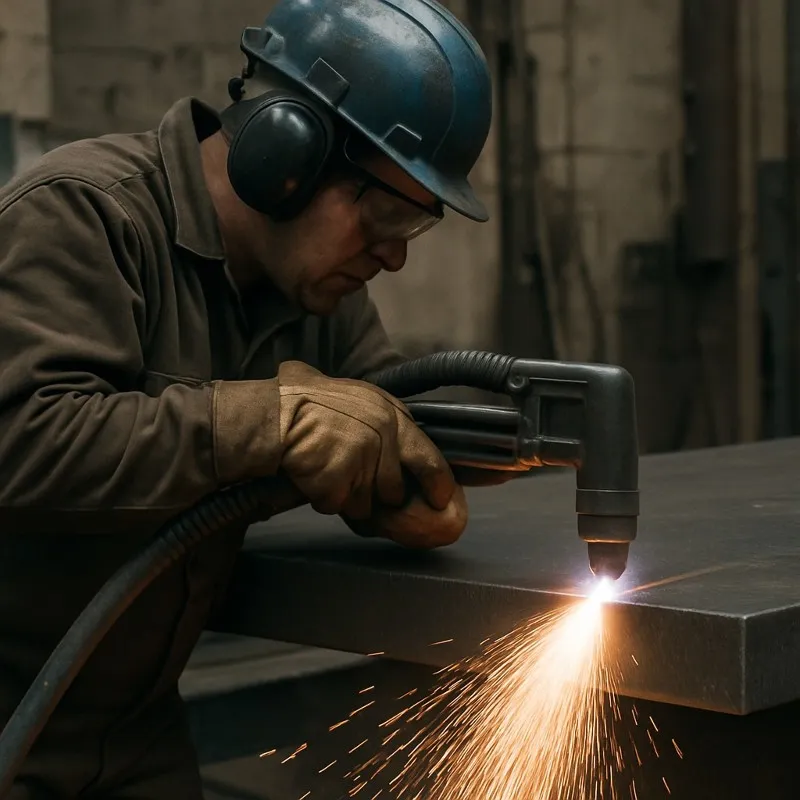
- Always Edge Start: Attempting to pierce directly into the center of a one-inch (approx. 25 mm) thick steel plate is highly destructive. Molten metal blowback can instantly clog the torch shield and damage the nozzle. Therefore, mastering edge-start techniques for thick metal is crucial. Position the torch at the edge of the plate, angling it slightly outward. After striking the arc, wait for it to fully penetrate the bottom of the plate, then slowly rotate the torch to a 90-degree angle relative to the surface before proceeding with the cut.
- Use a Guide: Cutting straight lines by hand on thick steel plate is nearly impossible, as it requires extremely slow cutting speeds and exceptional steadiness. Cutting thick steel with a plasma torch guide-whether it's a dedicated roller guide, a straight-edge clamp, or a custom template-will significantly improve both cut quality and consistency.
- Speed Control: When cutting thick plates, the key to minimizing dross is finding the optimal cutting speed. If the speed is too high, the arc will lag behind, resulting in incomplete penetration and causing molten steel to spray toward the operator. If the speed is too low, the kerf widens, and a large amount of stubborn dross accumulates along the bottom edge.
- Pay attention to the cut angle: Beveling at the cut edge is a common issue when cutting thick plates. Troubleshooting this problem usually involves checking just three factors: nozzle tip wear (which distorts the plasma jet), incorrect torch height (dragging the nozzle tip instead of using a standoff guide), or simply holding the torch at the wrong angle. Always ensure the torch is held perfectly vertical.
Automation and Advanced Cutting: The CNC Advantage
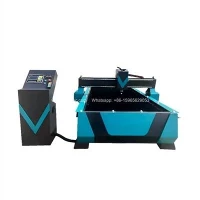
In production workshops, manual cutting is gradually being replaced by automated equipment. When mounting a cutting torch on a gantry-style cutting machine, precisely setting the CNC plasma cutting table parameters for 1 inch low-carbon steel is crucial.
When cutting thick plates on a CNC cutting table, the pierce delay must be significantly extended (typically to 1.5–2.5 seconds) to ensure the arc has fully penetrated the material before the gantry begins to move. Additionally, the cutting height should be set slightly higher than for thin plates to protect the torch from damage caused by heavy molten spatter.
When piercing thick plate, it is crucial to closely monitor the service life of consumables. Even with automated processes, piercing one-inch-thick steel plate causes rapid wear on electrodes and nozzles. Smart fabricators often program their CNC tables to perform an "edge start" from pre-drilled holes when working with thick plate. This small extra step of pre-drilling your pierce points can triple the lifespan of your plasma cutting consumables.
How to Choose the Best Machine for Your Shop
Faced with a dazzling array of market choices, you might feel overwhelmed. When looking for the ideal device, be sure to evaluate options based on your actual daily needs.
If you only occasionally need to cut through thick scrap metal and do not require high cut quality, you might consider a best plasma cutter capable of a 1-inch "severance cut." These units typically operate in the 60- to 70-amp range; they are compact and moderately priced, offering a way to perform cutting tasks roughly and effectively.
However, if you intend to fabricate structural supports with a clean appearance and precise fit, you must purchase a unit rated for at least 80 amps. Be sure to choose a reputable brand that offers comprehensive warranty support. It is advisable to consult professional reviews to understand how specific models handle thermal overload and to check the availability of consumables. Some inexpensive imports may claim a cutting capacity of up to one inch on their spec sheets, but if you are working under a tight deadline, you could find yourself in a bind when unable to source compatible replacement nozzles locally.
Top Plasma Cutter Tips for Longevity and Performance
Here are some practical tips to help ensure the smooth operation of heavy-duty plasma cutter:
- Invest in Filtration: For heavy-duty cutting operations, standard moisture filters alone are insufficient. Please install a high-quality dryer or a multi-stage filtration system before the compressed air enters the plasma cutter.
- Check Your Ground: Poor grounding can lead to intermittent arcing (causing spatter) and insufficient penetration. Always connect the ground clamp directly to a clean, bare metal surface on the workpiece itself, rather than to the workbench supporting it.
- Match Consumables to the Job: Never use an 80-amp nozzle for a 40-amp operation, or vice versa. Always ensure the torch configuration matches the machine's output current setting.
- Maintain Standoff Distance: When cutting at high currents, do not drag an unprotected cutting nozzle directly across the metal surface. Use a drag shield or standoff guide to maintain an optimal distance of 1/16 to 1/8 inch.
Upgrading to a plasma cutter 1 inch steel (approx. 25 mm) thick will dramatically enhance your manufacturing capabilities, giving you the confidence to tackle heavy-duty industrial tasks. While this upgrade requires more powerful equipment-featuring capabilities such as blowback starting, continuous pilot arc, and high-volume air supply-the resulting gains in efficiency are unmatched.
Remember, finding the best plasma cutter suited to your needs requires balancing your budget against the desired cut quality-specifically, whether you prioritize a clean, neat edge or simply need to sever the material. Be sure to take the time to master the torch angle, precisely set the cutting speed, and protect consumables from moisture. By combining the right high-amperage equipment with the correct cutting technique, you can slice through thick steel plates as smoothly and effortlessly as a hot knife through butter.
Read More: Top 5 Plasma Cutters for Precision Cutting
Please fill the form Below ''Send Inquiry'' for more suggestions.
Or click Top Menu "Contact Us" for more professional advice.