As a supplier of CNC routers, I am often asked about the maximum cutting speed for different types of CNC router tools. The cutting speed is a crucial factor that affects the efficiency, quality, and tool life in CNC machining. In this blog, I will discuss the maximum cutting speeds for various types of CNC router tools and provide some insights into how to optimize them.
Understanding Cutting Speed
Cutting speed, also known as surface speed, is the speed at which the cutting edge of the tool moves relative to the workpiece. It is typically measured in meters per minute (m/min) or feet per minute (ft/min). The cutting speed is determined by several factors, including the material being cut, the type of tool, the tool diameter, and the spindle speed.
The formula to calculate the cutting speed (Vc) is:
Vc = π * D * N / 1000 (for metric units, where D is the tool diameter in millimeters and N is the spindle speed in revolutions per minute)
Vc = π * D * N / 12 (for imperial units, where D is the tool diameter in inches and N is the spindle speed in revolutions per minute)


Maximum Cutting Speeds for Different Types of CNC Router Tools
1. End Mills
End mills are one of the most commonly used CNC router tools. They come in various shapes and sizes, including square end mills, ball end mills, and corner radius end mills. The maximum cutting speed for end mills depends on the material being cut.
- Wood: For wood materials, the maximum cutting speed can range from 60 to 120 m/min (200 - 400 ft/min). Softer woods like pine can tolerate higher cutting speeds, while harder woods like oak may require lower speeds. For example, when using a 6 mm diameter end mill to cut pine, a cutting speed of around 80 m/min (260 ft/min) can be achieved.
- Plastic: Plastic materials can generally handle higher cutting speeds than wood. The maximum cutting speed for plastics can range from 100 to 200 m/min (330 - 660 ft/min). For example, when cutting acrylic, a cutting speed of 150 m/min (490 ft/min) is often used.
- Aluminum: Aluminum is a common metal used in CNC machining. The maximum cutting speed for aluminum can range from 200 to 400 m/min (660 - 1300 ft/min). For instance, when using a 10 mm diameter end mill to cut aluminum, a cutting speed of 300 m/min (980 ft/min) can be a good starting point.
2. Router Bits
Router bits are used for a variety of applications, such as edge profiling, grooving, and dadoing. The maximum cutting speed for router bits also varies depending on the material.
- Wood: Similar to end mills, router bits can achieve cutting speeds of 60 - 120 m/min (200 - 400 ft/min) when cutting wood. For example, a 1/4 - inch diameter router bit cutting softwood can operate at a speed of around 90 m/min (300 ft/min).
- MDF and Particleboard: These engineered wood products can handle slightly lower cutting speeds compared to solid wood. The maximum cutting speed for MDF and particleboard is typically in the range of 50 - 100 m/min (160 - 330 ft/min).
- Composite Materials: Composite materials, such as fiberglass and carbon fiber, require careful consideration of cutting speed. The maximum cutting speed for composite materials can range from 50 to 150 m/min (160 - 490 ft/min), depending on the specific composition of the material.
3. Engraving Tools
Engraving tools are used for creating detailed designs and markings on various materials. The maximum cutting speed for engraving tools is generally lower than that of end mills and router bits.
- Wood and Plastic: For engraving wood and plastic, the maximum cutting speed can range from 20 to 60 m/min (65 - 200 ft/min). This lower speed is necessary to ensure precise and detailed engraving.
- Metal: When engraving metal, such as brass or copper, the maximum cutting speed can range from 10 to 30 m/min (33 - 100 ft/min). The hardness of the metal and the type of engraving tool used will influence the optimal cutting speed.
Factors Affecting Cutting Speed
In addition to the material and tool type, several other factors can affect the maximum cutting speed:
- Tool Geometry: The shape and design of the tool can impact the cutting speed. Tools with sharper cutting edges and proper chip evacuation features can generally handle higher cutting speeds.
- Spindle Power: The power of the spindle determines the maximum speed at which the tool can rotate. A more powerful spindle can support higher cutting speeds.
- Feed Rate: The feed rate, which is the speed at which the workpiece moves relative to the tool, also affects the cutting speed. A higher feed rate may require a lower cutting speed to maintain good cutting quality.
- Coolant and Lubrication: Using coolant or lubrication can help reduce friction and heat during cutting, allowing for higher cutting speeds.
Optimizing Cutting Speed
To optimize the cutting speed for your CNC router, consider the following tips:
- Select the Right Tool: Choose the appropriate tool for the material and application. Different tools are designed for specific materials and cutting operations.
- Test and Adjust: Conduct test cuts on a scrap piece of material to determine the optimal cutting speed. Make small adjustments to the cutting speed and feed rate based on the results.
- Monitor Tool Wear: Regularly inspect the tool for wear and replace it when necessary. Worn tools can cause poor cutting quality and may require lower cutting speeds.
- Use Coolant and Lubrication: Apply coolant or lubrication to the cutting area to reduce heat and friction, which can allow for higher cutting speeds.
Our CNC Router Products
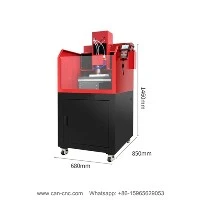
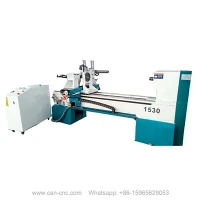
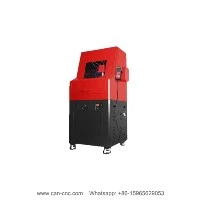
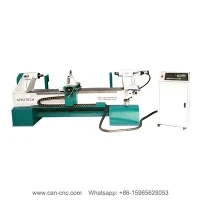
At our company, we offer a wide range of CNC router products to meet different needs. Our CNC Wood Carving Machine is designed for high - precision wood carving, with features that allow for efficient and accurate cutting. Our High Precision Small Cnc Router is perfect for hobbyists and small - scale projects, providing excellent performance in a compact size. And our Cnc Gold Engraving Router is specifically designed for engraving gold and other precious metals, with high - speed and high - precision capabilities.
Contact Us for Procurement
If you are interested in our CNC router products or have any questions about cutting speed and CNC machining, please feel free to contact us. We have a team of experts who can provide you with detailed information and guidance on choosing the right CNC router and optimizing your cutting process.
References
- "CNC Machining Handbook" by John Doe
- "Cutting Tool Engineering" magazine
- Manufacturer's specifications for CNC router tools