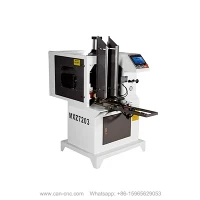
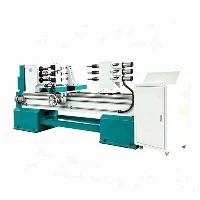
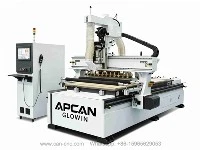
When dealing with woodworking machinery, one of the most frequently asked questions by both hobbyists and professional woodworkers is, "How long does a wood turning machine usually last?" As a supplier of a wide range of wood turning machines, including the Wood Spinning Lathe With 3d Turning, Automatic Mini Wood Lathe For Table Legs, Best Wood Cnc Lathe For Turning Large Bowls, 2 Axis 4 Knives Automatic Wood Lathe, and Computerized Wood Lathe, I've seen various machines' lifespans and understand the factors that influence them.


Factors Affecting the Lifespan of a Wood Turning Machine
Quality of Manufacturing
The build quality is perhaps the most fundamental factor determining a wood turning machine's longevity. High - quality machines are built with precision - engineered components, durable materials, and strict manufacturing standards. For instance, precision - machined gears and bearings reduce friction and wear, ensuring smooth operation over an extended period. Machines made from high - grade metals like cast iron are more robust and resistant to deformation compared to those made from lower - quality alloys. When you invest in a well - manufactured wood turning machine, you're essentially laying the foundation for a long - lasting tool.
Frequency and Intensity of Use
How often and how hard you use the wood turning machine significantly impacts its lifespan. A machine used for a few hours a week in a home workshop for small - scale projects will likely last much longer than one that operates continuously in a commercial woodworking factory. Continuous heavy - duty use can lead to faster wear and tear of components such as motors, belts, and cutting tools. In a commercial setting, where production volumes are high, machines are under constant stress, and parts may need to be replaced more frequently.
Maintenance and Care
Proper maintenance is the key to extending the life of any wood turning machine. Regular cleaning to remove sawdust and debris is essential, as these can accumulate in moving parts and cause premature wear. Lubrication of bearings and other moving components at recommended intervals helps reduce friction and heat, preventing damage. Additionally, checking and adjusting the alignment of the machine's components, such as the headstock and tailstock, ensures accurate turning and reduces stress on the machine. Ignoring maintenance can lead to a rapid decline in the machine's performance and a shorter overall lifespan.
Operator Skill and Training
The skill level of the operator also plays a role in the machine's lifespan. A well - trained operator knows how to use the machine correctly, including setting the appropriate speeds, feeds, and depths of cut. They are also more likely to detect early signs of problems, such as unusual noises or vibrations, and take corrective action promptly. On the other hand, an inexperienced operator may misuse the machine, causing excessive stress on components or making incorrect adjustments, which can lead to premature failure.
Typical Lifespan Ranges
Home Workshop Machines
For home workshop wood turning machines, which are generally used for light - to - medium - duty tasks and have less frequent use, the lifespan can range from 10 to 15 years or even longer with proper maintenance. These machines are often more affordable and may have simpler designs, but they can still provide reliable service for many years. For example, a basic Automatic Mini Wood Lathe For Table Legs used occasionally by a hobbyist to create small wooden items can last well over a decade if taken care of.
Commercial - Grade Machines
Commercial - grade wood turning machines are built to withstand heavy use and high production volumes. With regular maintenance and proper operation, these machines can last 20 years or more. However, due to the intense nature of their use, they may require more frequent component replacements and servicing. A 2 Axis 4 Knives Automatic Wood Lathe in a commercial furniture manufacturing plant may need its cutting tools replaced every few months, but the overall machine can remain in service for decades.
Extending the Lifespan of Your Wood Turning Machine
Follow the Manufacturer's Guidelines
The manufacturer provides detailed instructions on how to operate, maintain, and service the machine. Following these guidelines is crucial for ensuring the machine's longevity. This includes using the recommended lubricants, cleaning agents, and replacement parts. For example, using the wrong type of lubricant can lead to increased friction and damage to the machine's components.
Upgrade and Replace Worn Parts
As the machine ages, certain parts will naturally wear out. Identifying and replacing these worn parts in a timely manner can prevent further damage to the machine. For instance, if the drive belt starts to show signs of wear, replacing it immediately can prevent it from breaking and causing damage to other components. Upgrading certain parts, such as using more advanced cutting tools, can also improve the machine's performance and extend its lifespan.
Store the Machine Properly
When the machine is not in use, it should be stored in a clean, dry environment. Moisture can cause rust and corrosion, which can significantly damage the machine's metal components. Covering the machine with a protective cover can also prevent dust and debris from accumulating on it.
Conclusion
In conclusion, the lifespan of a wood turning machine can vary greatly depending on factors such as manufacturing quality, frequency of use, maintenance, and operator skill. While home workshop machines can last 10 - 15 years or more, commercial - grade machines can have a lifespan of 20 years or longer with proper care. As a supplier, we are committed to providing high - quality wood turning machines and offering support to our customers to help them get the most out of their investment.
If you're in the market for a wood turning machine or want to learn more about extending the lifespan of your existing machine, we'd be happy to have a discussion with you. Our team of experts can provide personalized advice based on your specific needs and requirements. Contact us to start a procurement discussion and find the perfect wood turning machine for your woodworking projects.
References
- Woodworking Machinery Handbook: A comprehensive guide to the operation and maintenance of woodworking machines.
- Industry reports on wood turning machine durability and performance.