Can I use a benchtop wood lathe for making bowls?
As a supplier of benchtop wood lathes, I often receive inquiries from woodworking enthusiasts and professionals alike about the feasibility of using our benchtop wood lathes for making bowls. This blog post aims to provide a comprehensive answer to this question, exploring the capabilities, limitations, and best practices of using a benchtop wood lathe for bowl turning.
Understanding Benchtop Wood Lathes
Benchtop wood lathes are compact, versatile machines designed for a variety of woodworking tasks. They are typically smaller and more affordable than floor-standing lathes, making them a popular choice for hobbyists and small-scale woodworkers. Despite their size, benchtop lathes can be powerful enough to handle a wide range of projects, including bowl turning.
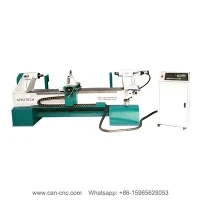
The key components of a benchtop wood lathe include the headstock, tailstock, bed, and tool rest. The headstock houses the motor and spindle, which rotates the workpiece. The tailstock provides support for the other end of the workpiece, and the tool rest is used to support the cutting tools. By adjusting the position of the tool rest and the speed of the spindle, woodworkers can control the shape and finish of the workpiece.
Can a Benchtop Wood Lathe Make Bowls?
The short answer is yes, a benchtop wood lathe can be used to make bowls. However, there are several factors to consider before embarking on a bowl-turning project with a benchtop lathe.
Size and Capacity
One of the main limitations of a benchtop wood lathe is its size and capacity. Benchtop lathes typically have a smaller swing (the maximum diameter of the workpiece that can be turned) and a shorter bed length compared to floor-standing lathes. This means that the size of the bowls you can make is limited. For example, a benchtop lathe with a 10-inch swing may be able to handle bowls up to 10 inches in diameter, but larger bowls may require a more powerful and larger lathe.
Power and Torque
Another important factor to consider is the power and torque of the lathe. Bowl turning requires a significant amount of power and torque to cut through the wood and shape the bowl. Benchtop lathes generally have less power and torque compared to floor-standing lathes, which can make it more challenging to turn large or dense bowls. However, many modern benchtop lathes are equipped with powerful motors and variable speed controls, which can help to compensate for the lower power and torque.
Stability
Stability is crucial when turning bowls on a benchtop lathe. The lathe needs to be securely mounted to a stable surface to prevent vibrations and ensure accurate cuts. A wobbly or unstable lathe can result in uneven cuts and a poor-quality finish. It is recommended to use a heavy-duty bench or stand to mount the lathe and to ensure that the lathe is level and properly aligned.
Tips for Making Bowls on a Benchtop Wood Lathe
If you decide to use a benchtop wood lathe for making bowls, here are some tips to help you achieve the best results:
Choose the Right Wood
The type of wood you choose for your bowl project is important. Softwoods such as pine and cedar are easier to turn and are a good choice for beginners. Hardwoods such as oak, maple, and walnut are more challenging to turn but can produce beautiful and durable bowls. It is also important to choose wood that is dry and free of knots or other defects.
Use the Right Tools
Using the right tools is essential for successful bowl turning. You will need a variety of turning tools, including gouges, scrapers, and parting tools. It is important to choose tools that are sharp and in good condition to ensure clean and accurate cuts. You may also want to invest in a bowl gouge, which is specifically designed for turning bowls.


Start with a Small Bowl
If you are new to bowl turning, it is recommended to start with a small bowl. This will allow you to practice your skills and get a feel for the lathe before attempting larger and more complex projects. As you gain more experience, you can gradually increase the size and complexity of your bowls.
Take Your Time
Bowl turning is a slow and meticulous process. It is important to take your time and work carefully to ensure that you achieve the desired shape and finish. Rushing through the process can result in mistakes and a poor-quality bowl.
Our Benchtop Wood Lathes for Bowl Turning
At our company, we offer a range of benchtop wood lathes that are suitable for bowl turning. Our lathes are designed with powerful motors, variable speed controls, and sturdy construction to ensure reliable performance and accurate cuts.
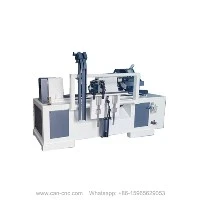
One of our popular models is the Wooden Perfume Bottle Cap Making Lathe. This lathe is specifically designed for making perfume bottle caps, but it can also be used for other small-scale woodworking projects, including bowl turning. It features a compact design, easy-to-use controls, and a powerful motor, making it a great choice for hobbyists and small-scale woodworkers.
Another option is the Wood Round Rod Making Machine. This machine is designed for making round rods, but it can also be used for turning bowls. It features a high-speed spindle, adjustable tool rest, and a sturdy construction, making it a versatile and reliable choice for woodworking projects.
For more advanced woodworkers, we offer the Electric Wood Lathe For Woodturning. This lathe is designed for heavy-duty use and features a powerful motor, variable speed controls, and a large swing, making it suitable for turning large and complex bowls.
Conclusion
In conclusion, a benchtop wood lathe can be used to make bowls, but it is important to consider the size, capacity, power, and stability of the lathe before starting a project. By choosing the right wood, using the right tools, and taking your time, you can achieve beautiful and professional-looking bowls on a benchtop wood lathe.
If you are interested in purchasing a benchtop wood lathe for bowl turning or other woodworking projects, please contact us to discuss your needs and explore our range of products. We are committed to providing high-quality woodworking equipment and excellent customer service.
References
- "Woodturning Basics: A Beginner's Guide to Turning Wood" by Jim Tolpin
- "The Complete Book of Woodturning" by Albert Jackson and David Day
- "Woodturning Techniques" by Roy Underhill