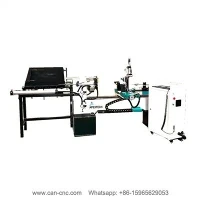
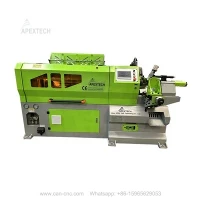
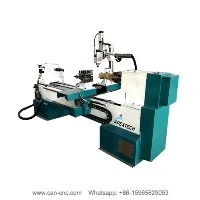
Hey there, woodworking enthusiasts! As a supplier of Benchtop Wood Lathes, I'm stoked to share some tips on how to set up your lathe for a specific project. Whether you're a seasoned pro or just starting out, getting your lathe in top shape is crucial for a successful woodworking experience.
Understanding Your Benchtop Wood Lathe
First things first, let's talk about the Benchtop Wood Lathe. This nifty piece of equipment is a game-changer for woodworkers. It's compact, easy to use, and perfect for small to medium-sized projects. But before you start turning, you need to understand its basic components.
The headstock is where the motor and the spindle are located. The spindle holds the workpiece and rotates it at different speeds. The tailstock, on the other hand, supports the other end of the workpiece. You can adjust the tailstock to fit the length of your wood. The tool rest is where you place your cutting tools, and it's adjustable to different heights and angles.

Preparing Your Workspace
Before you set up your lathe, you need to prepare your workspace. Make sure you have enough room to move around the lathe safely. Clear any clutter from your workbench and ensure it's stable. You don't want your lathe wobbling while you're turning.
It's also a good idea to have a dust collection system in place. Woodturning can generate a lot of dust, which can be harmful to your health. A dust collection system will help keep your workspace clean and reduce the risk of respiratory problems.
Selecting the Right Wood
The type of wood you choose for your project will depend on the final product you want to create. Different woods have different characteristics, such as hardness, grain pattern, and color. For example, if you're making a wooden bowl, you might want to choose a hardwood like maple or oak. These woods are durable and have a beautiful grain pattern.
When selecting your wood, make sure it's dry and free of knots. Wet wood can cause the lathe to vibrate, and knots can make it difficult to turn. You can also use a moisture meter to check the moisture content of your wood. Aim for a moisture content of around 6-8% for best results.
Mounting the Workpiece
Once you've selected your wood, it's time to mount it on the lathe. There are several ways to do this, but the most common method is to use a faceplate or a chuck. A faceplate is a flat plate that attaches to the spindle of the lathe. You can then screw your workpiece to the faceplate. A chuck, on the other hand, is a device that grips the workpiece tightly. It's ideal for turning smaller pieces of wood.
When mounting your workpiece, make sure it's centered and balanced. An unbalanced workpiece can cause the lathe to vibrate and make it difficult to turn. You can use a center finder to help you center your workpiece.
Setting the Speed
The speed at which you turn your workpiece will depend on the size and type of wood you're using. Generally, the larger the workpiece, the slower the speed. For example, if you're turning a small wooden pen, you can set the lathe to a higher speed. But if you're turning a large wooden bowl, you'll need to set the lathe to a lower speed.
Most benchtop wood lathes have a variable speed control. This allows you to adjust the speed of the lathe to suit your project. Start with a slow speed and gradually increase it as you get more comfortable with the lathe.
Adjusting the Tool Rest
The tool rest is an important part of the lathe. It provides a stable platform for your cutting tools and helps you control the depth and angle of your cuts. When adjusting the tool rest, make sure it's close to the workpiece but not touching it. You want to leave a small gap between the tool rest and the workpiece to prevent the tool from catching.
The height of the tool rest should be adjusted so that the cutting edge of your tool is at the same height as the center of the workpiece. This will help you make smooth and accurate cuts. You can use a tool rest gauge to help you adjust the height of the tool rest.
Choosing the Right Cutting Tools
There are several types of cutting tools available for woodturning, including gouges, chisels, and scrapers. Each tool has its own unique characteristics and is used for different types of cuts. For example, a gouge is used for roughing out the shape of the workpiece, while a chisel is used for making fine cuts and finishing the surface.
When choosing your cutting tools, make sure they're sharp and in good condition. Dull tools can cause the wood to tear and make it difficult to turn. You can sharpen your cutting tools using a grinder or a sharpening stone.
Making Your First Cuts
Once you've set up your lathe and chosen your cutting tools, it's time to make your first cuts. Start by making a shallow cut on the workpiece to get a feel for the lathe and the cutting tool. As you get more comfortable, you can gradually increase the depth of your cuts.
When making your cuts, make sure you're using the correct technique. Hold the cutting tool firmly and apply even pressure. Don't force the tool into the wood, as this can cause the tool to break or the wood to tear.
Finishing Your Project
After you've turned your workpiece to the desired shape, it's time to finish it. There are several ways to finish a woodturning project, including sanding, staining, and applying a finish. Sanding will help smooth the surface of the workpiece and remove any rough edges. Staining will give the wood a rich color and enhance its natural beauty. Applying a finish will protect the wood and give it a durable and attractive surface.
When finishing your project, make sure you're using the correct products and techniques. Follow the instructions on the product label and take your time to ensure a smooth and even finish.
Other Related Equipment
In addition to the benchtop wood lathe, there are other pieces of equipment that can be useful for woodworking projects. For example, the Wood Machine Round Bar Machine can be used to create round bars of wood, which are perfect for making pens, dowels, and other small projects. The Wooden Handle Processing Equipment can be used to create wooden handles for tools, knives, and other items.


Contact Us for Purchasing
If you're interested in purchasing a benchtop wood lathe or any of our other woodworking equipment, we'd love to hear from you. We offer a wide range of high-quality products at competitive prices. Our team of experts is always on hand to provide you with advice and support. So, don't hesitate to reach out and start your woodworking journey with us!
References
- Woodturning Basics: A Guide for Beginners
- The Complete Book of Woodturning
- Woodworking Techniques: Mastering the Art of Turning