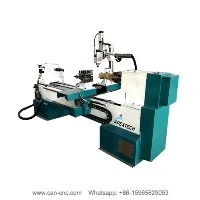
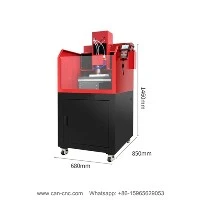
When it comes to the woodworking industry, an automatic wood lathe is a crucial piece of equipment that can significantly enhance productivity and precision. As a leading supplier of automatic wood lathes, I've had the privilege of working with a wide range of customers in the woodworking field. In this blog, I will share some key strategies on how to optimize the performance of an automatic wood lathe, drawing from both my expertise and the experiences of our clients.
Machine Maintenance
Regular and proper maintenance is the cornerstone of ensuring the optimal performance of an automatic wood lathe. A well - maintained machine not only operates more efficiently but also has a longer lifespan.
- Cleaning: After each use, it is essential to clean the lathe thoroughly. Wood chips, dust, and debris can accumulate in various parts of the machine, such as the spindle, gears, and working table. Use compressed air to blow out the dust from hard - to - reach areas. A soft brush can be used to gently clean the surface of the machine components. For stubborn dirt or oil stains, a mild cleaning solution can be applied carefully, followed by a dry cloth to wipe it clean.
- Lubrication: All moving parts of the lathe need to be lubricated regularly. Refer to the machine's manual to determine the appropriate lubricant and the recommended lubrication intervals. Typically, the spindle bearings, lead screws, and gears require lubrication. Proper lubrication reduces friction, which in turn minimizes wear and tear on the parts and ensures smooth operation.
- Inspection: Conduct regular inspections of the lathe's components. Check for signs of wear, such as loose belts, worn - out bearings, or damaged tool holders. Replace any faulty parts immediately to prevent further damage to the machine.
Tool Selection and Maintenance
The choice of tools and their proper maintenance can have a significant impact on the performance of an automatic wood lathe.
- Tool Selection: Selecting the right tools for the specific woodworking task is crucial. Different types of wood and desired finishes require different tools. For example, if you are working on a Small Square Wood Round Bar Machine, you may need tools such as parting tools, round - nose tools, and skew chisels. Consider the hardness of the wood, the complexity of the design, and the precision required when choosing tools.
- Tool Sharpening: Sharp tools are essential for clean and accurate cuts. Dull tools can cause rough surfaces, tear - outs, and can put additional stress on the lathe. Develop a regular tool - sharpening schedule and use proper sharpening techniques. There are various sharpening methods available, such as using a bench grinder, a sharpening stone, or a dedicated tool - sharpening machine.
Programming and Setup
In the case of an automatic wood lathe, programming and proper setup are key to achieving optimal performance.

- Accurate Programming: If your lathe is CNC (Computer Numerical Control), accurate programming is essential. The program determines the movement of the cutting tools, the speed of the spindle, and other parameters. Make sure to input the correct dimensions, feed rates, and spindle speeds based on the wood type and the design requirements. Test the program on a small piece of scrap wood before starting the actual production to identify and correct any errors.
- Proper Setup: Set up the lathe correctly before each operation. This includes ensuring that the workpiece is securely clamped, the cutting tools are properly aligned, and the machine is level. An improper setup can lead to inaccurate cuts, vibrations, and even damage to the machine or the workpiece.
Operator Training
Well - trained operators are essential for the optimal performance of an automatic wood lathe.
- Technical Training: Provide comprehensive technical training to the operators. They should be familiar with the machine's functions, controls, and safety features. Training should cover topics such as programming, tool selection, maintenance, and troubleshooting.
- Safety Training: Safety is of utmost importance when operating a wood lathe. Operators should be trained on how to use personal protective equipment (PPE), such as safety glasses, ear protection, and dust masks. They should also be aware of the potential hazards associated with the machine, such as flying wood chips, rotating parts, and electrical hazards.
Environment
The environment in which the automatic wood lathe operates can also affect its performance.
- Temperature and Humidity: Wood is a hygroscopic material, which means it absorbs and releases moisture depending on the surrounding environment. Extreme temperature and humidity changes can cause the wood to warp or crack, affecting the quality of the finished product. Maintain a stable temperature and humidity level in the workshop. A temperature range of 60 - 70°F (15 - 21°C) and a relative humidity of 30 - 50% are generally recommended.
- Dust Collection: An effective dust collection system is essential. Wood dust can not only be a health hazard but also cause damage to the lathe's components. It can clog the moving parts, affect the electrical systems, and reduce the visibility in the workshop. Install a high - quality dust collection system that can capture the dust at the source.
Upgrades and Accessories
Consider upgrading the lathe or adding accessories to improve its performance.
- Software Upgrades: If your lathe is CNC - controlled, software upgrades can provide new features, improved performance, and better compatibility with other systems. Check with the lathe manufacturer regularly for available software updates.
- Accessories: There are various accessories available that can enhance the functionality of the lathe. For example, a Making Wood Ball in Lathe accessory can be used to create spherical wood products. Other accessories include tool holders, chucks, and faceplates.
Monitoring and Analysis
Regularly monitor the performance of the lathe and analyze the production data.
- Performance Monitoring: Keep track of the lathe's operating parameters, such as spindle speed, feed rate, and cutting forces. Use sensors or monitoring devices to collect this data. Any significant changes in these parameters may indicate a problem with the machine or the cutting process.
- Production Analysis: Analyze the quality of the finished products, production efficiency, and waste rates. Identify any patterns or trends in the data to make continuous improvements to the lathe's performance.
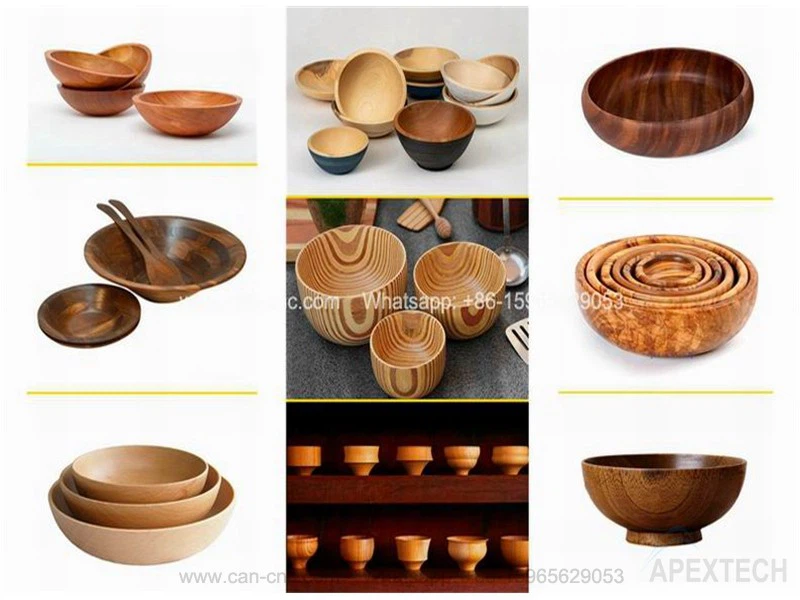
By implementing these strategies, you can optimize the performance of your automatic wood lathe, improve the quality of your woodworking products, and increase your overall productivity. Whether you are using a Wood Bowl Making Automatic Lathe, a Wooden Bowls Turning Lathe Machine, or a Large Bowl Turning Lathe, these principles remain applicable.
If you have any questions about optimizing the performance of your automatic wood lathe or are interested in learning more about our range of high - quality automatic wood lathes, please don't hesitate to contact us. We are here to assist you in achieving the best results in your woodworking operations.
References
- "Woodworking Machinery Handbook" - A comprehensive guide on the operation and maintenance of woodworking machinery, including lathes.
- Manufacturer's manuals of automatic wood lathes - These provide detailed information on the specific features, operation, and maintenance requirements of the machines.
- Industry journals and trade publications - They often contain articles and research on the latest advancements in wood lathe technology and performance optimization.