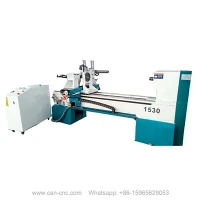
Vibration on a Wood CNC Lathe can be a real pain in the neck. It not only affects the quality of your woodworking but also shortens the lifespan of the machine. As a Wood CNC Lathe supplier, I've seen my fair share of machines acting up because of vibration. So, I'm here to share some tips on how you can prevent it.
First off, let's talk about the basics. Vibration in a Wood CNC Lathe usually happens because of uneven cutting forces, unbalanced workpieces, or loose components. When these things aren't in check, the machine starts to shake, and that's when you get those rough finishes and inaccurate cuts.
One of the first things you can do is to make sure your workpiece is properly balanced. An unbalanced piece of wood can cause a lot of vibration. To balance it, you can use a balancing arbor. This tool helps you find the center of gravity of your workpiece and allows you to make adjustments so that the weight is evenly distributed. It's a simple step, but it can make a huge difference. You can learn more about the machines that can assist with such fine - tuned work on our Wooden Dice Production Machine page. These machines are designed to handle small, precision pieces and often require a high level of balance to operate effectively.
Another important factor is the cutting tool. A dull or worn - out tool can cause uneven cutting forces, which in turn leads to vibration. You should always use sharp cutting tools and make sure they are properly aligned. Periodically check the tool for any signs of wear and replace it when necessary. Using a high - quality tool can also reduce vibration. Our Wood Machine Round Bar Machine is equipped to handle different types of cutting tools, and using the right one for the job is crucial to prevent vibration.
The machine itself needs to be in good condition. Check all the components for any signs of looseness. Tighten any loose bolts, nuts, or screws. The bed of the lathe, where the workpiece and tools are mounted, should be rigid and stable. If there are any cracks or damage to the bed, it can cause vibration. Regular maintenance is key here. Lubricate all the moving parts as recommended by the manufacturer. This reduces friction and helps the machine run smoothly.
The speed at which you run the lathe also plays a role in vibration. Running the machine too fast or too slow can cause problems. You need to find the optimal speed for your workpiece and the type of cut you're making. Generally, softer woods can handle higher speeds, while harder woods require slower speeds. Experiment a bit to find the sweet spot. Our Small Wood Turning Lathe Machine allows for adjustable speeds, giving you more control over the turning process and helping you prevent vibration.
The way you mount the workpiece can also affect vibration. Make sure it is securely clamped or held in place. If it's not held firmly, it can move during the cutting process, causing the machine to vibrate. Use the right chucks or fixtures for your workpiece. If you're working on a wooden handle, our Wooden Handle Processing Equipment provides specialized mounting options to ensure a stable hold.
The environment in which the lathe is placed is also important. A lathe should be placed on a level surface. An uneven surface can cause the machine to rock, leading to vibration. If possible, use vibration - damping pads under the machine. These pads absorb some of the vibrations and reduce their impact on the surrounding environment and the machine itself.
Let's talk about the CNC programming. Incorrect programming can cause the tool to move in an erratic way, resulting in vibration. Make sure the programming is accurate and optimized for your workpiece. You can use simulation software to test the program before running it on the actual machine. This can help you identify any potential issues and make adjustments. Our Cnc Wood Turning Machine Equipment comes with advanced programming capabilities, allowing you to fine - tune the operations to minimize vibration.
Another thing to consider is the chip evacuation. If chips build up around the cutting area, they can interfere with the cutting process and cause vibration. Make sure there is a proper chip removal system in place. You can use a vacuum or a chip conveyor to keep the area clean.
In summary, preventing vibration on a Wood CNC Lathe requires attention to detail. From balancing the workpiece, using the right cutting tools, maintaining the machine, finding the optimal speed, proper mounting, considering the environment, programming accurately, and ensuring good chip evacuation, every step matters.
If you're facing issues with vibration in your woodworking process and need a high - quality Wood CNC Lathe or related equipment to solve these problems, feel free to reach out. We're here to help you with all your woodworking machine needs. Our team of experts can guide you through the selection process and provide support to ensure you get the best results from your equipment. Contact us to start a purchase negotiation and take your woodworking to the next level.


References:
- Woodworking Machinery Handbook - A comprehensive guide on woodworking machine operations and maintenance.
- CNC Programming for Woodturning - An e - book focused on optimizing CNC lathe programming for woodworking.