Can I use elm wood for lathe?
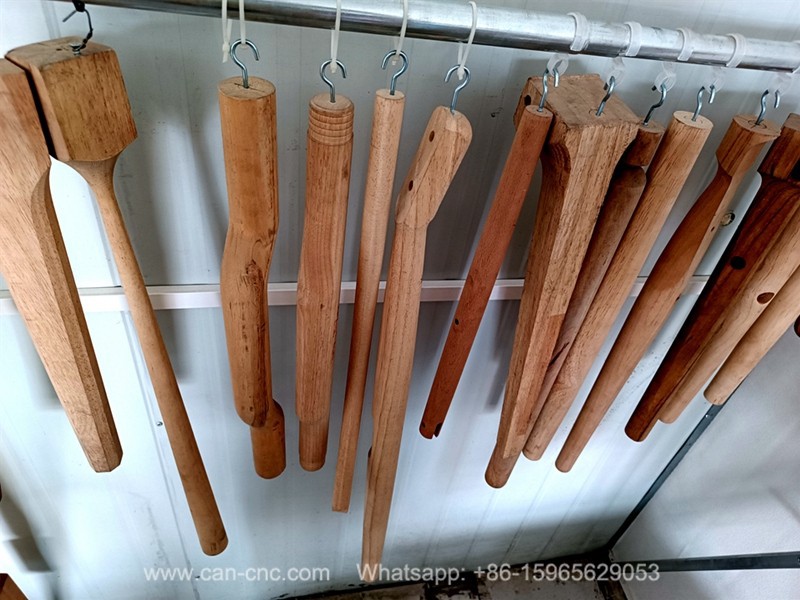
Hey there! As a wood supplier specializing in wood for lathe work, I often get asked a common question: "Can I use elm wood for lathe?" Today, I'm gonna break it all down and give you the low - down on using elm wood in your lathe projects.
Let's start by understanding what elm is. Elm is a type of hardwood that comes from elm trees. Historically, elm wood has been used in various applications, like furniture, shipbuilding, and even in making agricultural tools. Elm trees are known for their large size and the wood they produce is usually quite strong and durable.
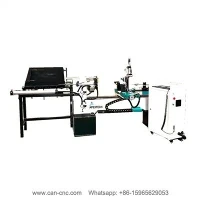
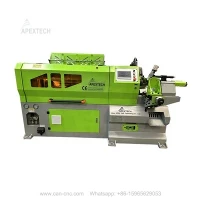
One of the big advantages of using elm wood in lathe work is its workability. Elm has a medium density, which makes it relatively easy to shape on a lathe. You won't have to struggle too much with your cutting tools, and it generally gives a smooth finish. Whether you're using a simple hand - held lathe or a more advanced Automatic Brush Handle Making Machine, elm wood can handle the process well.
Another great thing about elm is its grain pattern. Elm has a beautiful, interlocked grain that can add a unique aesthetic to your lathe - turned pieces. When you turn elm on a lathe, you can really showcase that natural grain, creating pieces that are not only functional but also visually appealing. For example, if you're making wooden bowls or vases, the grain of the elm can give them a one - of - a - kind look.
However, like any wood, elm also has its challenges. One of the main issues is its susceptibility to decay. Elm wood is prone to rot if it's exposed to moisture for long periods. So, if you're planning to make outdoor items with elm wood on the lathe, you'll need to take extra precautions. You can use a good quality wood sealer or finish to protect the wood from the elements.
Also, elm has a tendency to split. When you're turning it on a lathe, especially when you're making cuts or shaping the wood, there's a risk of the wood splitting. To minimize this risk, it's important to use sharp and well - maintained cutting tools. A dull tool can cause more stress on the wood, increasing the chances of splitting. You might also want to pre - drill holes in the wood if you're planning to make any deep cuts.
Now, let's talk about the different types of elm wood. There are several species, but two common ones are American elm and European elm. American elm, also known as white elm, has a lighter color and is often used in making furniture and caskets. European elm, on the other hand, is a bit denser and has a more distinct grain pattern. Depending on your project, you can choose the type of elm that suits your needs best.
If you're new to lathe work with elm wood, it's a good idea to start with small projects. You can make simple pen blanks, spoons, or small decorative items. This way, you can get a feel for how the wood behaves on the lathe and learn how to deal with its challenges. As you gain more experience, you can move on to larger and more complex projects.
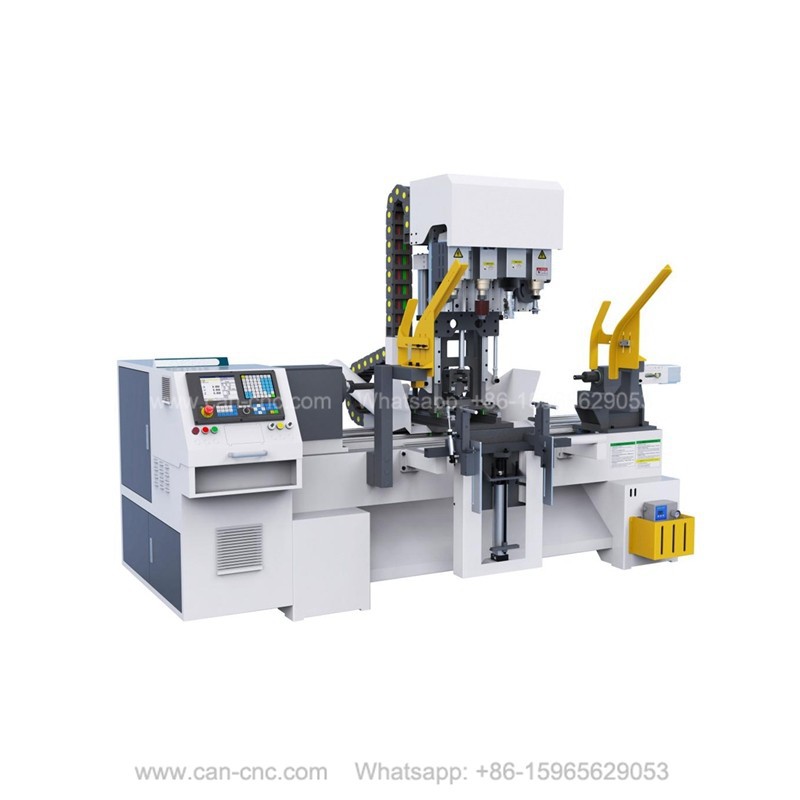
When it comes to the lathes themselves, there are different types that can work well with elm wood. For instance, a Wooden Planer Drilling Turning Lathe Machine can be great for initial shaping and smoothing of the elm wood. It allows you to perform multiple operations in one go, saving you time and effort.
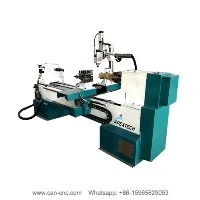
A Wood Cnc Lathe For Turning And Milling is another option if you're looking for more precision and automation in your lathe work. With a CNC lathe, you can program the machine to make very accurate cuts and shapes, which is especially useful when working on intricate designs with elm wood.
If you're interested in making more detailed and artistic pieces, a 4 Axis Cnc Wooden Turning Lathe Carving Machine can take your elm wood projects to the next level. It can create complex carvings and patterns on the wood surface, adding a high level of craftsmanship to your work.
And if you're into making toys, a Wooden Toys Making Machine can be a great investment. Elm wood is often used in making wooden toys because of its relatively smooth texture and workability. You can use this machine to turn out high - quality wooden toys with ease.
In conclusion, yes, you can definitely use elm wood for lathe work. It has its pros and cons, but with the right techniques and tools, you can create some amazing pieces. Whether you're a professional woodworker or a hobbyist, elm wood offers a great opportunity to explore your creativity on the lathe.
If you're interested in purchasing elm wood for your lathe projects or want to discuss different wood options, feel free to reach out. We're here to help you find the best wood for your needs and offer any advice on using it effectively.
References
- Woodworking Magazine Archive: Various articles on different wood types and their uses in lathe work.
- Forest Products Laboratory Handbook: In - depth information on the properties of hardwoods like elm.