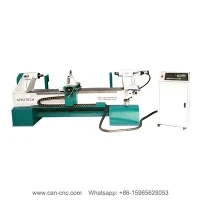
Hey there, woodworking enthusiasts! As a supplier of Wood Copy Lathes, I often get asked about the differences between belt-driven and direct-driven Wood Copy Lathes. So, I thought I'd break it down for you in this blog post.
Let's start with the basics. A Wood Copy Lathe is a machine that allows you to create duplicate wooden pieces by following a pattern. It's a great tool for making things like chair legs, table legs, and other turned wood items. Now, when it comes to the drive system, there are two main types: belt-driven and direct-driven.
Belt-Driven Wood Copy Lathes
A belt-driven Wood Copy Lathe uses a belt to transfer power from the motor to the spindle. The belt is usually made of rubber or a similar material and is wrapped around a pulley on the motor and a pulley on the spindle. This setup has a few advantages.
First off, belt-driven lathes are generally more affordable. The belt and pulley system is relatively simple and inexpensive to manufacture, which means you can get a good-quality belt-driven lathe at a lower price point. This makes it a great option for hobbyists or small woodworking shops on a budget.
Another advantage is the smoothness of operation. The belt acts as a buffer between the motor and the spindle, which helps to reduce vibrations and noise. This is especially important when you're working on delicate or intricate pieces, as it allows for more precise cuts and a better finish.
Belt-driven lathes also offer some flexibility in terms of speed. By changing the size of the pulleys, you can adjust the speed of the spindle. This is useful for different types of wood and different turning operations. For example, you might want a slower speed for roughing out a piece and a faster speed for finishing.
However, there are also some drawbacks to belt-driven lathes. One of the main issues is belt slippage. Over time, the belt can stretch or wear out, which can cause it to slip on the pulleys. This can lead to a loss of power and a decrease in the accuracy of your cuts. You'll also need to regularly check and adjust the tension of the belt to ensure it's working properly.
Another potential problem is the limited torque. Belt-driven lathes typically have less torque than direct-driven lathes, which means they may struggle with larger or denser pieces of wood. If you're planning on working with thick or hard woods, a belt-driven lathe might not be the best choice.
Direct-Driven Wood Copy Lathes
On the other hand, a direct-driven Wood Copy Lathe has the motor directly connected to the spindle. There's no belt or pulley system involved. This design offers several benefits.
One of the biggest advantages of a direct-driven lathe is the high torque. Since the motor is directly connected to the spindle, there's no loss of power through a belt. This means the lathe can handle larger and denser pieces of wood with ease. If you're a professional woodworker or you plan on working with heavy-duty materials, a direct-driven lathe is definitely the way to go.
Direct-driven lathes also offer more precise speed control. The motor can be adjusted to run at a specific speed, which allows for more accurate and consistent turning. This is especially important for tasks that require a high level of precision, such as making fine furniture or decorative items.


In addition, direct-driven lathes are generally more reliable. There are fewer moving parts compared to a belt-driven lathe, which means there's less chance of something going wrong. You won't have to worry about belt slippage or belt maintenance, which can save you time and money in the long run.
However, direct-driven lathes do come with some downsides. They're usually more expensive than belt-driven lathes. The direct connection between the motor and the spindle requires more sophisticated engineering and higher-quality components, which drives up the cost.
Another issue is the noise and vibration. Without the buffer of a belt, the motor's vibrations are transferred directly to the spindle, which can make the lathe noisier and less smooth to operate. This can be a problem if you're working in a small space or if you're sensitive to noise.
Which One Should You Choose?
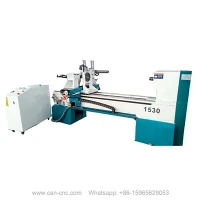
So, which type of Wood Copy Lathe is right for you? Well, it depends on your specific needs and budget. If you're a hobbyist or you're just starting out in woodworking, a belt-driven lathe might be a good option. It's affordable, relatively easy to use, and can handle most basic turning tasks. You can check out our Electric Wood Lathe For Woodturning for a great belt-driven option.
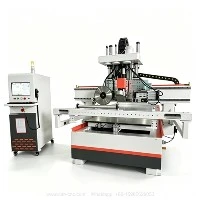
On the other hand, if you're a professional woodworker or you need to work with large or dense pieces of wood, a direct-driven lathe is probably the better choice. It offers more power, precision, and reliability, but it comes at a higher cost. Our Auto Copy Shaper Machine is a great example of a high-quality direct-driven lathe.
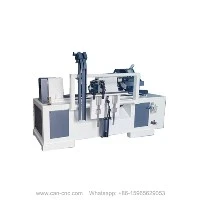
If you're interested in making mop sticks or other small wooden items, our Mop Stick Making Machine might be just what you need. It's designed to be efficient and easy to use, and it can produce a large number of mop sticks in a short amount of time.
Contact Us for More Information
If you have any questions about belt-driven or direct-driven Wood Copy Lathes, or if you're interested in purchasing one of our machines, don't hesitate to reach out. We're here to help you find the right lathe for your needs and budget. Whether you're a beginner or an experienced woodworker, we have the expertise and the products to support you.
References
- Woodworking Machinery Handbook
- The Complete Guide to Woodturning