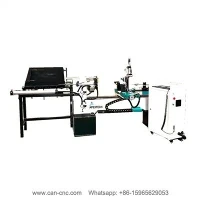
As a supplier of stone machines, I understand the importance of noise reduction in these powerful pieces of equipment. Stone machines, such as the Automatic Gemstone Cutting Machine, Cnc Bridge Cutting Machine, and Gemstone Carving Machine, are essential in the stone processing industry. However, the high - level noise they generate can be a significant issue, not only for the operators' health but also for the surrounding environment. In this blog, I will discuss some effective noise - reduction measures for stone machines.
1. Design and Engineering Improvements
1.1 Structural Design
One of the primary ways to reduce noise in stone machines is through proper structural design. A well - designed machine can minimize the vibration and resonance that are major sources of noise. For example, using a rigid frame can help to absorb and dissipate the energy generated during the cutting or carving process. The frame should be made of high - quality materials with good damping properties, such as cast iron or steel. By reducing the transfer of vibrations from the working parts of the machine to the frame, the overall noise level can be significantly reduced.
1.2 Component Selection
Selecting the right components is also crucial for noise reduction. For instance, using low - noise motors and bearings can make a big difference. Motors with advanced insulation and vibration - damping features can operate more quietly. Bearings with smooth surfaces and proper lubrication can reduce friction and noise. When choosing cutting tools, opt for those with sharp edges and proper geometry. Dull or poorly designed cutting tools can cause excessive vibration and noise during the cutting process.
2. Sound - Insulating Materials
2.1 Enclosures
Installing enclosures around the stone machine is an effective way to contain the noise. These enclosures can be made of sound - insulating materials such as acoustic panels. Acoustic panels are designed to absorb sound waves, reducing the amount of noise that escapes into the surrounding environment. The enclosures should be well - sealed to prevent sound leakage. They can also be lined with additional sound - absorbing materials like fiberglass or foam.
2.2 Machine Covers
Machine covers can also play a role in noise reduction. Similar to enclosures, covers can be made of sound - insulating materials. They are especially useful for protecting the operator from direct exposure to the noise source. Some covers are designed to be removable, which allows for easy maintenance and access to the machine's components.


3. Vibration Damping
3.1 Anti - Vibration Pads
Anti - vibration pads can be placed under the stone machine to reduce the transmission of vibrations to the floor. These pads are usually made of rubber or other elastic materials. They can absorb the energy from the machine's vibrations, preventing them from being transferred to the surrounding structure. By reducing the vibrations, the noise level can be effectively lowered.
3.2 Vibration - Isolating Mounts
Vibration - isolating mounts are another option for damping vibrations. These mounts are designed to separate the machine from its supporting structure, reducing the transfer of vibrations. They can be used in combination with anti - vibration pads for better results. Vibration - isolating mounts can be adjusted to optimize the damping effect according to the specific requirements of the stone machine.
4. Maintenance and Lubrication
4.1 Regular Maintenance
Regular maintenance of the stone machine is essential for noise reduction. Over time, the components of the machine can wear out, leading to increased vibration and noise. By regularly inspecting and replacing worn - out parts, such as belts, gears, and cutting tools, the machine can operate more smoothly and quietly. Maintenance also includes cleaning the machine to remove dust and debris, which can affect the performance of the components and increase noise.
4.2 Proper Lubrication
Proper lubrication of the moving parts is crucial for reducing friction and noise. Lubricants can reduce the wear and tear of the components, allowing them to move more freely. Different parts of the stone machine may require different types of lubricants. For example, bearings may need a high - quality grease, while gears may require an oil - based lubricant. It is important to follow the manufacturer's recommendations for lubrication to ensure optimal performance and noise reduction.
5. Operator Training
5.1 Correct Operation
Training operators on the correct operation of the stone machine can also contribute to noise reduction. Operators should be taught to use the machine at the appropriate speed and feed rate. Using the machine at excessive speeds or feed rates can cause increased vibration and noise. They should also be trained to handle the cutting tools properly to avoid unnecessary wear and tear, which can lead to noise.
5.2 Safety Awareness
In addition to correct operation, operators should be made aware of the importance of noise reduction for their own safety and health. They should be provided with appropriate personal protective equipment (PPE), such as earplugs or earmuffs, to protect them from the high - level noise. By promoting safety awareness, operators are more likely to follow the noise - reduction measures and contribute to a quieter working environment.
6. Environmental Considerations
6.1 Location
The location of the stone machine can also affect the noise level. Placing the machine in a well - ventilated and sound - insulated room can help to reduce the impact of the noise on the surrounding environment. The room should be designed to absorb and reflect sound waves, minimizing the noise that escapes outside. If possible, the machine should be located away from areas where people are likely to be affected by the noise, such as offices or residential areas.
6.2 Surrounding Structures
The surrounding structures can also play a role in noise reduction. For example, installing sound - absorbing materials on the walls and ceilings of the room can help to reduce the reverberation of sound. The layout of the room can also be optimized to reduce the noise. For instance, placing barriers or partitions between the machine and the operators can help to block the direct path of the sound waves.
In conclusion, noise reduction in stone machines is a multi - faceted issue that requires a combination of design improvements, the use of sound - insulating materials, vibration damping, proper maintenance, operator training, and environmental considerations. As a stone machine supplier, we are committed to providing our customers with machines that not only meet their production needs but also operate with minimal noise. If you are interested in our stone machines and would like to discuss the noise - reduction measures further or make a purchase, please feel free to contact us for a detailed consultation.
References
- "Handbook of Noise and Vibration Control" by Cyril M. Harris
- "Industrial Noise Control and Acoustics" by Clarence W. Harris