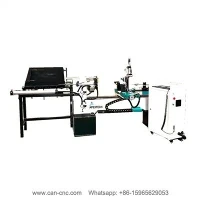
Hey there! As a supplier of ATC CNC Routers, I'm super stoked to talk about how the automatic tool changer works in these bad - boys. It's a technology that's revolutionized the world of CNC routing, making the whole process way more efficient and flexible.
What Exactly is an ATC CNC Router
First things first, for those who aren't in the know, an ATC CNC Router is a computer - numerical - control machine. The "ATC" stands for Automatic Tool Changer, which is the real game - changer here. These routers are used in all sorts of industries, especially woodworking. Whether you're making Cabinet Door Making Machines or doing some intricate wood carving, an ATC CNC Router has got your back.
The Basics of the Automatic Tool Changer
Let's get down to the nitty - gritty of how the automatic tool changer actually works. At its core, the ATC is designed to swap out tools quickly and accurately so that the router can perform different machining operations without manual intervention.
Tool Storage
The first part of the process is the tool storage. The ATC has a tool magazine, which is like a little tool library. This magazine can hold multiple different types of tools, such as end mills, drills, and engraving bits. The number of tools it can hold varies from machine to machine. Some smaller ATC CNC routers might hold around 6 - 8 tools, while larger industrial - grade ones can hold 20 or more. All these tools are neatly organized in the magazine, each in its own dedicated slot.
Tool Identification
Each tool in the magazine has a unique identifier. This can be in the form of a barcode, a chip, or some other kind of electronic identification system. When the machine's control software decides it's time to change a tool, it first identifies which tool it needs. The software knows exactly which job requires which tool, thanks to the programming that was inputted at the start of the project.
Tool Removal
Once the software has identified the required tool, the ATC system kicks into action to remove the current tool from the spindle. The spindle is the part of the router that holds and rotates the tool. The ATC has a mechanism that grips the current tool firmly and releases it from the spindle. This has to be done with precision to avoid any damage to the tool or the spindle.
Tool Selection from the Magazine
After removing the used tool, the ATC then moves to the tool magazine to select the new tool. The magazine has a moving mechanism, often a carousel - style or a linear - style system. If it's a carousel style, the magazine rotates until the required tool is in position. In a linear system, the tools move along a straight track to get into place.
Tool Installation
With the new tool selected, the ATC grabs it from the magazine and inserts it into the spindle. It makes sure the tool is properly seated and tightened so that it can rotate accurately and perform the machining operation without any issues. This process of removal and installation of the tool usually takes only a few seconds, depending on the complexity of the ATC system.
The Role of Software in the ATC Process
You can't talk about how the automatic tool changer works without mentioning the software. The control software of the ATC CNC Router is like the brain behind the whole operation.
Programming
Before any machining starts, the operator has to program the CNC router. This involves creating a detailed program that outlines all the machining steps, including which tools to use at each stage. The operator can use specialized CAD/CAM software to design the part and then generate the G - code, which is the language that the CNC router understands.
Real - Time Monitoring
Once the machining process begins, the software continuously monitors everything. It keeps track of which tool is currently in use, when it needs to be changed, and whether there are any issues with the tool change process. If there's a problem, like a tool not being properly removed or installed, the software can pause the operation and alert the operator.
Advantages of the Automatic Tool Changer
The automatic tool changer brings a whole bunch of advantages to the table, which is why it's so popular in the industry.
Efficiency
One of the biggest perks is the huge boost in efficiency. Without an ATC, every time you need to change a tool, you have to stop the machine, manually remove the old tool, and insert the new one. This can take several minutes, especially if you're not very experienced. With an ATC, the tool change happens in just a few seconds, so you can keep the machining process going without long interruptions.
Precision
The ATC also ensures a high level of precision. Since the tool changes are automated, there's less room for human error. The tools are always installed and tightened to the same specifications, which means you get more consistent results across all your parts.
Flexibility
Another great thing about the ATC is the flexibility it offers. You can use different tools for different operations on the same workpiece, all without having to stop and re - set up the machine. This allows you to take on more complex projects and create parts with a wider range of features.
Applications of ATC CNC Routers
ATC CNC routers are used in a wide variety of applications.


Woodworking
In woodworking, the ATC CNC Wood Router is a real superstar. You can use it to create intricate cabinet doors, decorative pieces, furniture components, and more. The automatic tool changer allows you to go from rough cutting to fine detailing all in one go.
Sign Making
Sign makers also love ATC CNC routers. They can quickly switch between different engraving and cutting tools to create high - quality signs with different fonts, shapes, and textures.
Prototyping
For product designers and engineers, Automatic Tool Changer Cnc Router Machine are invaluable for prototyping. You can test out different designs and features on the same piece of material, making the prototyping process faster and more cost - effective.
Maintenance of the Automatic Tool Changer
To keep your ATC running smoothly, regular maintenance is a must.
Cleaning
The tool magazine and the ATC mechanism need to be kept clean. Dust and debris can build up over time, which can affect the tool change process. You should clean the magazine and the gripping mechanisms regularly to prevent any jams.
Lubrication
Proper lubrication is also crucial. The moving parts of the ATC, such as the carousel or the linear track, need to be lubricated according to the manufacturer's recommendations. This helps to reduce friction and wear, ensuring that the tool changes are always smooth.
Tool Inspection
You should also regularly inspect the tools. Check for any signs of wear or damage, and replace the tools as needed. A worn - out tool can not only affect the quality of the machining but also cause problems with the tool change process.
Contact Us for Your ATC CNC Router Needs
If you're in the market for an ATC CNC Router, whether it's for woodworking, sign making, or any other application, we're here to help. We offer a wide range of Wood Cnc Router Center with different features and capabilities to suit your specific requirements. Our team of experts can guide you through the selection process and provide you with all the support you need. So don't hesitate to reach out and start a conversation about how we can boost your production with our top - notch ATC CNC Routers.
References
- "CNC Machining Handbook"
- Industry - specific trade magazines on woodworking and CNC machining