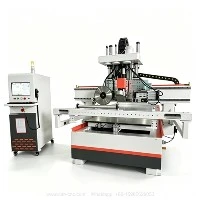
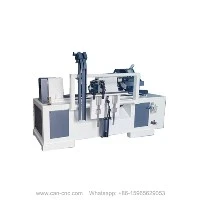
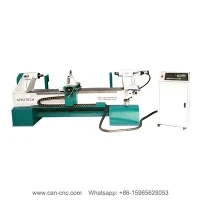
Wood turning is a captivating and rewarding craft that allows artisans to transform raw wood into functional and artistic pieces. One of the most exciting applications of wood turning is the creation of musical instruments. From flutes and whistles to guitars and violins, a wood turning lathe can be a powerful tool in the hands of a skilled musician or woodworker. As a wood turning lathe supplier, I am excited to share some insights on how to use a wood turning lathe to make musical instruments.


Understanding the Basics of Wood Turning
Before delving into the process of making musical instruments, it's essential to understand the basics of wood turning. A wood turning lathe is a machine that rotates a piece of wood at a high speed while a cutting tool is used to shape the wood. The lathe consists of a bed, headstock, tailstock, and tool rest. The headstock holds the motor and spindle, which rotates the wood, while the tailstock supports the other end of the wood. The tool rest provides a stable platform for the cutting tool.
Selecting the Right Wood
The choice of wood is crucial when making musical instruments. Different woods have different acoustic properties, which can affect the sound of the instrument. For example, maple is known for its bright and clear sound, while mahogany has a warm and rich tone. When selecting wood, consider the type of instrument you want to make and the desired sound. It's also important to choose wood that is free of knots, cracks, and other defects.
Preparing the Wood
Once you have selected the right wood, it's time to prepare it for turning. Start by cutting the wood to the appropriate length and diameter. You may need to rough out the shape of the instrument using a bandsaw or other cutting tool. Next, mount the wood on the lathe using a chuck or faceplate. Make sure the wood is centered and secure before turning on the lathe.
Shaping the Instrument
The shaping process is where the magic happens. Using a variety of cutting tools, such as gouges, chisels, and scrapers, you can shape the wood into the desired form. Start by roughing out the basic shape of the instrument, then gradually refine the shape using finer tools. Pay close attention to the details, such as the curves and contours of the instrument, as these can have a significant impact on the sound.
Creating the Bore
For wind instruments, such as flutes and whistles, creating the bore is a critical step. The bore is the hole that runs through the instrument and determines the pitch and tone. To create the bore, you can use a drill bit or a boring tool. Make sure the bore is straight and smooth, as any irregularities can affect the sound.
Sanding and Finishing
Once the instrument is shaped and the bore is created, it's time to sand and finish the wood. Sanding helps to smooth the surface of the wood and remove any rough edges or imperfections. You can use a variety of sandpaper grits, starting with a coarse grit and gradually working your way up to a fine grit. After sanding, you can apply a finish to the wood, such as oil, varnish, or lacquer. The finish not only protects the wood but also enhances the appearance of the instrument.
Tuning and Testing
After the instrument is finished, it's time to tune and test it. For wind instruments, you can use a tuner to adjust the pitch. For stringed instruments, you can use a tuning fork or a guitar tuner. Once the instrument is tuned, play it to test the sound. Make any necessary adjustments to the shape or bore to improve the sound.
Tips and Tricks
- Practice makes perfect: Wood turning is a skill that takes time and practice to master. Don't be afraid to make mistakes and learn from them.
- Use the right tools: Using the right tools is essential for achieving the best results. Invest in high-quality tools and keep them sharp.
- Take your time: Wood turning is a slow and deliberate process. Don't rush through it, as this can lead to mistakes and a less-than-perfect instrument.
- Learn from others: There are many resources available online and in books that can teach you about wood turning and making musical instruments. Take advantage of these resources and learn from the experiences of others.
Recommended Resources
- Barley Twist Wood Turning: This website provides detailed information on barley twist wood turning, a technique that can be used to create unique and beautiful musical instruments.
- Beginner Wood Turning: If you're new to wood turning, this website is a great resource. It provides step-by-step instructions and tips for beginners.
- General Wood Lathe For Making Billiard Cues: This website offers a general wood lathe that can be used for making billiard cues and other wood turning projects.
Conclusion
Making musical instruments with a wood turning lathe is a rewarding and challenging craft. By following the steps outlined in this blog post and using the recommended resources, you can create beautiful and functional musical instruments that will bring joy to you and others. As a wood turning lathe supplier, I am here to support you in your wood turning journey. If you have any questions or need assistance, please don't hesitate to contact me. We are ready to discuss your specific needs and provide you with the best wood turning lathe solutions for making musical instruments.
References
- "The Complete Book of Woodturning" by Albert Jackson and David Day
- "Woodturning for Beginners" by Chris Schwarz
- "Making Musical Instruments" by Mark C. Nelson