Selecting the right abrasive for a stone machine is crucial for achieving optimal results in stone processing. As a stone machine supplier, I've seen firsthand how the wrong abrasive can lead to inefficiencies, poor quality work, and even damage to the machine itself. In this blog, I'll share some tips on how to choose the right abrasive for your stone machine.
Understanding Abrasive Basics
Before we dive into the selection process, it's important to understand the basics of abrasives. Abrasives are materials used to grind, cut, or polish other materials. They come in various forms, including wheels, discs, belts, and pads. The two main types of abrasives are natural and synthetic.
Natural abrasives, such as diamond, corundum, and emery, are mined from the earth. They are known for their hardness and durability, but they can be expensive and difficult to source. Synthetic abrasives, on the other hand, are man-made and are often more affordable and readily available. Common synthetic abrasives include silicon carbide and aluminum oxide.
Factors to Consider When Selecting an Abrasive
When choosing an abrasive for your stone machine, there are several factors to consider. These include:
1. Stone Type
Different types of stone have different hardness levels and compositions, which can affect the choice of abrasive. For example, granite is a hard, dense stone that requires a more aggressive abrasive, such as diamond, to cut and polish. Marble, on the other hand, is a softer stone that can be processed with a less aggressive abrasive, such as silicon carbide.
2. Machine Type
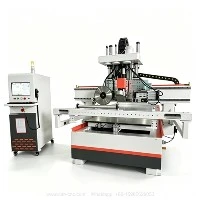
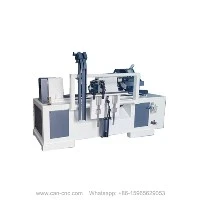
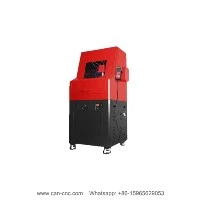
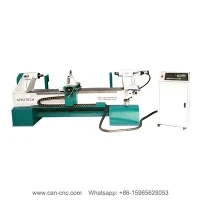
The type of stone machine you are using also plays a role in abrasive selection. For example, a Desktop CNC Engraving Machine may require a different type of abrasive than a Stone Engraving Machine or a Gemstone Carving Machine. Make sure to consult the machine's manual or manufacturer for recommended abrasives.
3. Processing Operation
The specific processing operation you are performing, such as cutting, grinding, or polishing, will also determine the type of abrasive you need. For cutting, a high-speed abrasive wheel or blade is typically used. For grinding, a grinding wheel or belt can be used to remove material and shape the stone. For polishing, a polishing pad or disc is used to achieve a smooth, shiny finish.
4. Abrasive Grit Size
The grit size of an abrasive refers to the size of the abrasive particles. A smaller grit size means finer particles, which are better for polishing and finishing. A larger grit size means coarser particles, which are better for cutting and grinding. The grit size you choose will depend on the specific processing operation and the desired finish.
5. Abrasive Bond Type
The bond type of an abrasive refers to the material that holds the abrasive particles together. There are several types of bonds, including resin, metal, and vitrified. Each bond type has its own advantages and disadvantages, and the choice of bond will depend on the specific application. For example, resin bonds are flexible and are often used for polishing, while metal bonds are more rigid and are better for cutting.
Choosing the Right Abrasive for Different Stone Types
Now that we've covered the factors to consider when selecting an abrasive, let's take a look at how to choose the right abrasive for different types of stone.
Granite
Granite is a hard, dense stone that requires a high-quality abrasive to cut and polish. Diamond abrasives are the most commonly used for granite processing, as they are extremely hard and can withstand the high pressures and temperatures generated during cutting and grinding. Diamond wheels and blades are available in various grit sizes, depending on the specific application. For cutting, a coarse grit diamond blade is typically used, while a finer grit diamond wheel is used for grinding and polishing.
Marble
Marble is a softer stone than granite and can be processed with a less aggressive abrasive. Silicon carbide and aluminum oxide abrasives are commonly used for marble processing. These abrasives are available in various grit sizes and bond types, depending on the specific application. For cutting, a coarse grit silicon carbide blade can be used, while a finer grit aluminum oxide wheel or pad can be used for grinding and polishing.
Limestone
Limestone is a sedimentary rock that is relatively soft and porous. It can be processed with a variety of abrasives, including silicon carbide, aluminum oxide, and diamond. The choice of abrasive will depend on the specific application and the desired finish. For cutting, a coarse grit silicon carbide blade can be used, while a finer grit aluminum oxide wheel or pad can be used for grinding and polishing.
Sandstone
Sandstone is a sedimentary rock that is composed of sand-sized grains of quartz or feldspar. It is a relatively soft stone that can be processed with a variety of abrasives, including silicon carbide, aluminum oxide, and diamond. The choice of abrasive will depend on the specific application and the desired finish. For cutting, a coarse grit silicon carbide blade can be used, while a finer grit aluminum oxide wheel or pad can be used for grinding and polishing.
Tips for Using Abrasives
Once you've selected the right abrasive for your stone machine, it's important to use it correctly to ensure optimal results. Here are some tips for using abrasives:
1. Follow the Manufacturer's Instructions
Make sure to follow the manufacturer's instructions for using the abrasive. This includes the recommended speed, pressure, and coolant. Using the abrasive incorrectly can lead to poor quality work, damage to the machine, and even injury.
2. Use the Right Coolant
Coolant is used to reduce heat and friction during the processing operation. It also helps to extend the life of the abrasive and the machine. Make sure to use the right coolant for the specific abrasive and processing operation. For example, water-based coolants are commonly used for diamond abrasives, while oil-based coolants are used for silicon carbide and aluminum oxide abrasives.
3. Replace the Abrasive Regularly
Abrasives wear out over time, especially when used for heavy-duty applications. Make sure to replace the abrasive regularly to ensure optimal performance. The frequency of replacement will depend on the specific application and the type of abrasive.
4. Store the Abrasive Properly
Abrasives should be stored in a dry, cool place to prevent damage. Make sure to keep the abrasive away from moisture, heat, and chemicals.


Conclusion
Selecting the right abrasive for a stone machine is essential for achieving optimal results in stone processing. By considering the factors discussed in this blog, such as stone type, machine type, processing operation, abrasive grit size, and abrasive bond type, you can choose the right abrasive for your specific application. Remember to follow the manufacturer's instructions for using the abrasive and to use the right coolant to ensure optimal performance. If you have any questions or need further assistance, please don't hesitate to contact us. We're here to help you select the right abrasive for your stone machine and to provide you with the support you need to achieve the best results.
References
- "Abrasive Materials and Their Applications" by John Doe
- "Stone Processing Handbook" by Jane Smith
- "Guide to Abrasive Selection" by Stone Machine Manufacturer