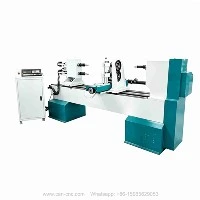
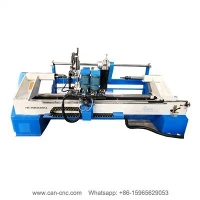
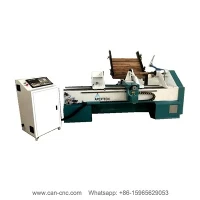
Changing the tool on a wood turning lathe is a fundamental skill that every woodworker using a lathe should master. As a wood turning lathe supplier, I understand the importance of this process and its impact on the quality of wood turning projects. In this blog, I will walk you through the step - by - step process of changing tools on a wood turning lathe, along with some essential tips and safety precautions.
Why Changing Tools on a Wood Turning Lathe?
Different wood turning projects require different types of tools. For example, if you are creating a Wood Lathe Christmas Trees, you might need a set of gouges to shape the branches and a skew chisel to smooth the trunk. Similarly, when working on more detailed handicrafts with a Mini Wood Lathe Machine For Handicrafts, precision tools are necessary. Changing tools allows you to adapt to the specific requirements of each project, ensuring a high - quality finish.
Step 1: Safety First
Before you start changing the tool on your wood turning lathe, safety should be your top priority. First, make sure the lathe is turned off and unplugged. This prevents any accidental start - up that could cause serious injury. Wear appropriate safety gear, including safety glasses to protect your eyes from flying wood chips, and ear protection if the lathe is noisy.
Step 2: Prepare the Tool Rest
The tool rest is an essential part of the wood turning process. Adjust it to the appropriate height and distance from the workpiece. For most turning operations, the tool rest should be at the same height as the center of the workpiece and about 1/8 to 1/4 inch away from the workpiece. This ensures that the tool can be held securely and accurately during the turning process. When changing tools, you may need to readjust the tool rest to accommodate the new tool's shape and size.
Step 3: Remove the Old Tool
Most wood turning lathes use a tool holder to secure the cutting tool. To remove the old tool, loosen the locking mechanism on the tool holder. This could be a set screw, a clamp, or another type of locking device. Once the locking mechanism is loose, carefully slide the old tool out of the tool holder. Be cautious as the tool may still be sharp, and improper handling can lead to cuts.
Step 4: Select the New Tool
Choose the appropriate tool for your next wood turning task. If you are working on a Cnc Wood Lathe For Wooden Crafts, you may need a different set of tools compared to a manual lathe. Consider the type of cut you need to make, the shape of the workpiece, and the desired finish. Common wood turning tools include gouges, skew chisels, parting tools, and scrapers. Each tool has its unique characteristics and is used for specific tasks.
Step 5: Insert the New Tool
Once you have selected the new tool, insert it into the tool holder. Make sure the tool is inserted straight and securely. Align the cutting edge of the tool with the center of the workpiece as closely as possible. This alignment is crucial for making accurate cuts. Tighten the locking mechanism on the tool holder firmly to prevent the tool from moving during operation.
Step 6: Check the Tool Alignment
After inserting the new tool, double - check its alignment. You can use a center gauge or a piece of scrap wood to verify that the cutting edge is at the correct height and angle. If the tool is not properly aligned, it can cause uneven cuts, tear - outs, or other issues. Adjust the tool as necessary until it is perfectly aligned.
Step 7: Test the Tool
Before starting your actual wood turning project, it's a good idea to do a test cut on a piece of scrap wood. This allows you to check the performance of the new tool and make any final adjustments. Turn on the lathe at a low speed and carefully bring the tool into contact with the scrap wood. Observe the cutting action and the quality of the cut. If the cut is not smooth or there are any issues, stop the lathe and readjust the tool.
Tips for Changing Tools on a Wood Turning Lathe
- Keep your tools sharp: A sharp tool makes cleaner cuts and is easier to control. Regularly sharpen your wood turning tools using a sharpening stone or a grinder.
- Organize your tools: Have a dedicated tool storage area where you can keep your wood turning tools organized. This makes it easier to find the right tool when you need to change it.
- Practice makes perfect: Changing tools on a wood turning lathe takes practice. The more you do it, the more comfortable and efficient you will become.
Safety Precautions
- Never change tools while the lathe is running: This is extremely dangerous and can lead to serious injury. Always turn off and unplug the lathe before changing tools.
- Handle tools with care: Wood turning tools are sharp, and improper handling can cause cuts. When handling tools, use a cloth or a tool holder to protect your hands.
- Keep the work area clean: A cluttered work area can increase the risk of accidents. Keep your work area clean and organized, and remove any wood chips or debris regularly.
Special Considerations for Different Types of Lathes
- Manual Lathes: On a manual lathe, changing tools is a more hands - on process. You need to adjust the tool rest and the tool holder manually to ensure proper alignment.
- CNC Lathes: When using a Automatic Cnc Wood Turning Lathe Machine, the process may be more automated. However, you still need to be familiar with how to change tools in case of maintenance or when switching between different tool sets. Some CNC lathes have tool changers that can automatically change tools, but you may still need to load the tools into the changer correctly.
Conclusion
Changing the tool on a wood turning lathe is a crucial skill for any woodworker. By following the steps outlined in this blog, you can safely and effectively change tools to meet the needs of your wood turning projects. Whether you are working on Wooden Caps Threading Drilling Lathe projects or creating intricate handicrafts, having the right tool and knowing how to change it will improve your work quality and productivity.
If you are interested in purchasing high - quality wood turning lathes or need more information about tool changing and other wood turning techniques, feel free to contact us for procurement and further discussions. We are here to support you in your woodworking journey.
References
- "The Complete Guide to Wood Turning" by John Jordan
- "Wood Turning Basics" by David Ellsworth