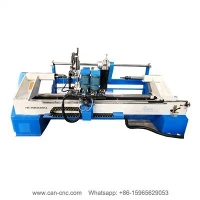
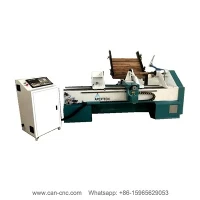
Hey there! As a supplier of CNC routers, I often get asked about the maximum cutting depth of these machines. It's a crucial question, especially for those who are looking to take on some serious projects. So, in this blog post, I'm gonna break it down for you and give you all the deets about the maximum cutting depth of a CNC router.


What is a CNC Router?
First things first, let's quickly go over what a CNC router is. A CNC (Computer Numerical Control) router is a machine that uses computer - controlled movements to cut, carve, and shape various materials. It's like a super - precise robot that can follow detailed instructions to create all sorts of amazing things. These machines are used in a wide range of industries, from woodworking and furniture making to metalworking and jewelry crafting.
Factors Affecting the Maximum Cutting Depth
The maximum cutting depth of a CNC router isn't a one - size - fits - all number. There are several factors that come into play, and understanding these factors is key to getting the most out of your machine.
1. Spindle Power
The spindle is the part of the CNC router that holds the cutting tool and rotates it at high speeds. The power of the spindle is measured in horsepower (HP) or kilowatts (kW). Generally speaking, the more powerful the spindle, the deeper it can cut. A low - power spindle, say around 1 - 2 HP, might be suitable for light - duty tasks like engraving or shallow cutting. But if you're looking to make deep cuts in thick materials, you'll need a more powerful spindle, perhaps 5 HP or more.
2. Cutting Tool
The type and size of the cutting tool also have a big impact on the maximum cutting depth. Different cutting tools are designed for different materials and cutting tasks. For example, a small - diameter end mill might be great for detailed work but won't be able to cut as deep as a larger - diameter one. Also, the material of the cutting tool matters. High - speed steel (HSS) tools are common and work well for many applications, but carbide - tipped tools are more durable and can handle deeper cuts, especially in harder materials.
3. Material Type
The material you're cutting is a major factor. Softer materials like wood and plastic are generally easier to cut and allow for greater cutting depths compared to harder materials like metal and stone. For instance, you can probably cut several inches deep into a block of softwood with a decent CNC router, but when it comes to cutting stainless steel, the maximum depth will be much shallower.
4. Machine Rigidity
The overall rigidity of the CNC router is crucial. A rigid machine can better withstand the forces generated during the cutting process. If the machine isn't rigid enough, it might vibrate or flex, which can lead to inaccurate cuts and limit the maximum cutting depth. High - quality CNC routers are built with sturdy frames and components to ensure maximum rigidity.
Typical Maximum Cutting Depths for Different Materials
Let's take a look at some typical maximum cutting depths for different materials when using a standard CNC router. Keep in mind that these are just rough estimates and can vary depending on the factors we discussed above.
Wood
Wood is one of the most commonly cut materials with CNC routers. For softwoods like pine or cedar, you can often achieve a cutting depth of 2 - 3 inches or more, especially if you're using a powerful spindle and the right cutting tool. Hardwoods like oak or maple are a bit more challenging, but you can still typically cut around 1 - 2 inches deep.
Plastic
Plastic is relatively easy to cut. Depending on the type of plastic (e.g., acrylic, PVC), you can usually cut up to 2 inches deep. Some softer plastics might allow for even greater depths.
Metal
Cutting metal with a CNC router is more difficult. For aluminum, you might be able to cut around 0.25 - 0.5 inches deep. When it comes to steel, the maximum cutting depth can be as low as 0.1 - 0.25 inches.
Stone
Stone is a very hard material, and cutting it requires specialized equipment. With a high - powered CNC router designed for stone cutting, you might be able to achieve a cutting depth of 0.5 - 1 inch, but it really depends on the type of stone (e.g., marble, granite) and the quality of the machine.
Our CNC Router Offerings
At our company, we offer a wide range of CNC routers to suit different needs and budgets. Whether you're a hobbyist looking to start small projects or a professional in a large - scale production environment, we've got you covered.
If you're in the market for a large - scale project, check out our Large Scale Cnc Router. It's built with high - quality components and a powerful spindle, allowing for deep and precise cuts.
For those into woodworking, our 5x10 Cnc Router Table For Wood Working is a great option. It's designed specifically for wood cutting and can handle a decent cutting depth in various types of wood.
And if you're in the jewelry business, our 5 Axis Cnc Router For Jewelry is a top - notch choice. It offers precise control and can make accurate cuts in metal, which is essential for creating beautiful jewelry pieces.
How to Determine the Right Cutting Depth for Your Project
When planning a project, it's important to determine the right cutting depth. Here are some steps you can follow:
- Understand Your Material: Research the properties of the material you're using. Find out its hardness, density, and any other relevant characteristics. This will give you an idea of how deep you can realistically cut.
- Consider Your Design: Look at the design of your project. If you need to create a complex 3D shape, you might need to make multiple passes with different cutting depths.
- Test Cuts: It's always a good idea to make some test cuts on a scrap piece of the same material. This will allow you to see how the machine and the cutting tool perform at different depths and make any necessary adjustments.
- Consult the Manufacturer: If you're still unsure, don't hesitate to consult the manufacturer of your CNC router. They can provide you with specific guidelines based on the model of your machine.
Conclusion
So, as you can see, the maximum cutting depth of a CNC router depends on a variety of factors, including spindle power, cutting tool, material type, and machine rigidity. By understanding these factors and choosing the right CNC router for your needs, you can achieve the cutting depths required for your projects.
If you're interested in learning more about our CNC routers or have any questions about cutting depths or other aspects of these machines, feel free to reach out to us. We're here to help you make the best choice for your business or hobby. Whether you're just starting out or looking to upgrade your existing equipment, our team of experts can provide you with the guidance and support you need. Don't hesitate to contact us for a quote or to discuss your specific requirements. Let's get your next project off to a great start!
References
- "CNC Router Basics" - Woodworking Magazine
- "Advanced CNC Machining Techniques" - Manufacturing Journal
- "Materials and Cutting Tools for CNC Routers" - Industrial Technology Review