Securing wood on a wood turning lathe is a crucial step that can make or break your woodworking project. As a supplier of Wood Turning Lathes, I've seen firsthand how proper wood securing techniques can enhance the safety, precision, and overall quality of your work. In this blog post, I'll share some tips and tricks on how to secure wood on a wood turning lathe effectively.
Why Securing Wood Properly Matters
Before we dive into the techniques, let's talk about why it's so important to secure your wood properly on the lathe. When the wood is not secured correctly, it can wobble or shift during the turning process. This not only affects the accuracy of your cuts but also poses a significant safety risk. A loose piece of wood can fly off the lathe at high speed, causing serious injury to you or those around you. So, taking the time to secure your wood properly is essential for both the quality of your work and your safety.
Choosing the Right Chuck
One of the most common ways to secure wood on a wood turning lathe is by using a chuck. A chuck is a device that holds the wood in place while it rotates on the lathe. There are several types of chucks available, each with its own advantages and disadvantages.
- Scroll Chuck: This is one of the most popular types of chucks for wood turning. It has jaws that can be adjusted to grip the wood tightly. Scroll chucks are great for holding irregularly shaped pieces of wood because the jaws can conform to the shape of the wood. You can find more information about using scroll chucks in our Best Wood Lathe Tools For Beginners guide.
- Four-Jaw Chuck: A four-jaw chuck provides more flexibility than a scroll chuck. Each jaw can be adjusted independently, allowing you to center the wood more precisely. This is especially useful when you need to turn a piece of wood that is not perfectly round.
- Faceplate: A faceplate is a flat plate that is attached to the lathe spindle. You can use screws to attach the wood to the faceplate. Faceplates are ideal for turning large, flat pieces of wood, such as bowls or platters.
Preparing the Wood
Before you secure the wood on the lathe, it's important to prepare it properly. Here are some steps you can take:
- Cut the Wood to Size: Make sure the wood is cut to the appropriate length and diameter for your project. If the wood is too long or too thick, it may be difficult to secure it on the lathe.
- Sand the Ends: Sanding the ends of the wood will help to create a smooth surface for the chuck or faceplate to grip. This will improve the stability of the wood during the turning process.
- Check for Knots and Cracks: Inspect the wood for any knots or cracks. These can weaken the wood and cause it to break or split during the turning process. If you find any knots or cracks, you may need to choose a different piece of wood or take extra precautions to secure it.
Securing the Wood with a Chuck
Once you've chosen the right chuck and prepared the wood, it's time to secure the wood on the lathe. Here's how you can do it:
- Mount the Chuck: Attach the chuck to the lathe spindle according to the manufacturer's instructions. Make sure the chuck is tightened securely.
- Insert the Wood: Insert the end of the wood into the chuck. If you're using a scroll chuck, adjust the jaws to grip the wood tightly. If you're using a four-jaw chuck, adjust each jaw independently to center the wood.
- Tighten the Chuck: Use a chuck key to tighten the chuck jaws. Make sure the wood is held firmly in place. You can give the wood a gentle tug to check if it's secure.
Securing the Wood with a Faceplate
If you're using a faceplate to secure the wood, here's how you can do it:
- Attach the Faceplate: Attach the faceplate to the lathe spindle according to the manufacturer's instructions. Make sure the faceplate is tightened securely.
- Mark the Center: Use a center punch or a drill bit to mark the center of the wood. This will help you align the wood with the faceplate.
- Screw the Wood to the Faceplate: Use screws to attach the wood to the faceplate. Make sure the screws are long enough to penetrate the wood but not too long that they protrude through the other side.
- Check the Alignment: Once the wood is attached to the faceplate, check the alignment. You can use a dial indicator to make sure the wood is centered on the lathe.
Using a Tailstock
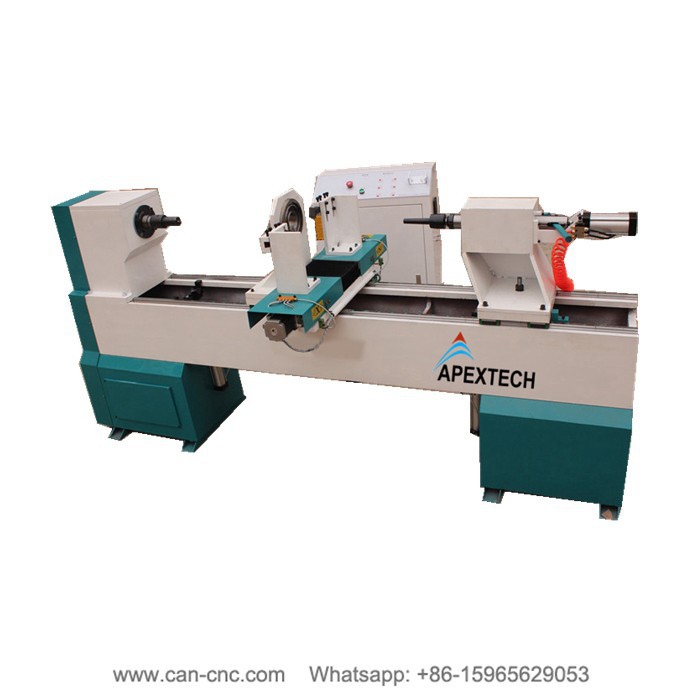
In addition to using a chuck or a faceplate, you can also use a tailstock to support the wood during the turning process. The tailstock is a device that is located at the end of the lathe bed. It can be used to hold the wood in place and prevent it from wobbling.
To use the tailstock, follow these steps:
- Adjust the Tailstock: Move the tailstock to the appropriate position on the lathe bed. Make sure the tailstock is aligned with the center of the lathe spindle.
- Insert the Live Center: Insert a live center into the tailstock. The live center will support the end of the wood and allow it to rotate freely.
- Adjust the Pressure: Use the tailstock handwheel to adjust the pressure on the live center. Make sure the live center is pressing against the wood firmly but not too tightly.
Safety Tips
Securing wood on a wood turning lathe can be dangerous if you don't take the proper precautions. Here are some safety tips to keep in mind:

- Wear Protective Gear: Always wear safety glasses, a face shield, and ear protection when operating a wood turning lathe. This will protect you from flying wood chips and debris.
- Keep the Work Area Clean: Make sure the work area is clean and free of clutter. This will reduce the risk of tripping or falling.
- Follow the Manufacturer's Instructions: Read and follow the manufacturer's instructions for your wood turning lathe. This will ensure that you're using the lathe safely and correctly.
- Use the Right Tools: Use the right tools for the job. Make sure your tools are sharp and in good condition.
- Be Careful with the Chuck Key: Always remove the chuck key from the chuck before starting the lathe. Leaving the chuck key in the chuck can cause it to fly off and cause injury.
Conclusion
Securing wood on a wood turning lathe is an important skill that every woodworker should master. By choosing the right chuck, preparing the wood properly, and using the right techniques, you can ensure that your wood is held securely in place during the turning process. This will not only improve the quality of your work but also enhance your safety.
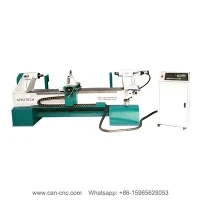
If you're in the market for a wood turning lathe, we offer a wide range of Small Wood Turning Lathe and
Amazing Wood Lathe Machine - Wooden Bed Leg Making options to suit your needs. If you have any questions or would like to discuss your woodworking needs, please don't hesitate to contact us. We're here to help you find the perfect wood turning lathe for your projects.
References
- Wood Turning Basics: A Guide to Getting Started, John Smith
- The Complete Book of Wood Turning, Jane Doe