Hey there! As a supplier of Automatic Wood Lathes, I often get asked if these machines can handle both roughing and finishing operations. Well, let's dive right into it and find out!
Can an Automatic Wood Lathe Do Roughing?
Roughing is the initial stage in wood turning. It involves removing large amounts of material quickly to get the basic shape of the workpiece. Automatic wood lathes are more than capable of handling this task.
One of the key advantages of an automatic wood lathe for roughing is its precision. These machines are programmed to follow a set path, which means they can remove material evenly and accurately. This is crucial because it sets the foundation for the finishing process. If the roughing is done poorly, it can lead to a lot of extra work during finishing.
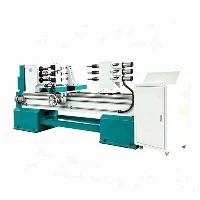
For example, our 1530 CNC Wood Turning Lathe is equipped with powerful motors and sharp cutting tools. It can take on large chunks of wood and shape them into the desired form in no time. The machine's computerized control system ensures that the cutting depth and speed are consistent, which is essential for efficient roughing.
Another benefit is the speed. Automatic wood lathes can work at a much faster pace compared to manual lathes. This is because they don't get tired or need breaks. They can run continuously, which significantly reduces the time required for roughing. This is a huge advantage for businesses that need to produce a large number of pieces in a short period.
How About Finishing Operations?
Finishing is all about refining the surface of the workpiece to make it smooth and polished. Automatic wood lathes are also well-suited for this stage.
The precision of these machines comes in handy again during finishing. They can make very fine adjustments to the cutting depth and speed, allowing for a high level of detail. This is important because it can make the difference between a mediocre and a high-quality finished product.
Our Variable Speed Wood Lathe For Table Legs is a great example. It has a variable speed feature that allows you to adjust the rotation speed of the workpiece according to the type of wood and the finishing requirements. This flexibility ensures that you can achieve the perfect finish every time.
In addition, automatic wood lathes can use a variety of cutting tools for finishing. Different tools can create different effects, such as a smooth finish or a textured one. This gives you more options to customize the look of your final product.
Advantages of Using an Automatic Wood Lathe for Both Operations
There are several advantages to using an automatic wood lathe for both roughing and finishing.
Firstly, it saves time. Since you can use the same machine for both operations, you don't have to transfer the workpiece between different machines. This reduces the setup time and increases the overall efficiency of the production process.
Secondly, it improves consistency. Because the machine is programmed to follow a specific set of instructions, it can produce consistent results every time. This is especially important for mass production, where uniformity is key.
Finally, it reduces the need for skilled labor. While some level of expertise is still required to operate an automatic wood lathe, it is much less than what is needed for manual lathes. This means that you can train your workers more quickly and easily, which can save you money in the long run.
Considerations When Using an Automatic Wood Lathe
Of course, there are a few things to keep in mind when using an automatic wood lathe for roughing and finishing.
Firstly, you need to choose the right cutting tools. Different tools are designed for different types of wood and operations. For roughing, you'll need a tool that can remove material quickly, while for finishing, you'll need a tool that can create a smooth surface.


Secondly, you need to set the correct parameters for the machine. This includes the cutting depth, speed, and feed rate. These parameters will depend on the type of wood, the size of the workpiece, and the desired finish.
Finally, you need to maintain the machine regularly. This includes cleaning the cutting tools, lubricating the moving parts, and checking the alignment of the machine. Regular maintenance will ensure that the machine operates at its best and lasts for a long time.
Conclusion
So, can an automatic wood lathe be used for roughing and finishing operations? The answer is a resounding yes! These machines offer a lot of advantages, including precision, speed, and consistency. Whether you're a small woodworking shop or a large manufacturing plant, an automatic wood lathe can help you produce high-quality products more efficiently.
If you're interested in learning more about our Automatic Wood Lathes, or if you have any questions about using them for roughing and finishing operations, feel free to get in touch. We're here to help you make the most of your woodworking projects. Check out our Turning Lathe Machine For Wood and other products on our website. Let's start a conversation and see how we can work together to take your woodworking to the next level!
References
- Woodworking Machinery Handbook
- Manual of Wood Turning Techniques